(CASTELLANO)
Una película sobre autoría musical puede parecer, en principio, un conflicto bastante pequeño: quién escribió qué, quién merece el crédito y quién terminó llevándose el éxito. Letras robadas consigue algo mucho más difícil: convertir esa disputa en una cuestión de identidad, dignidad, memoria y afecto. A mí me hizo pasar de la irritación al enfado, del enfado a la tristeza y de ahí a una emoción enorme. Y cuando una película consigue moverme así, poco importa que algunas piezas del guion sean visibles.
John Carney vuelve a un territorio que conoce perfectamente: personas heridas que encuentran en la música una forma de decir lo que no pueden expresar de otra manera. Aquí, sin embargo, hay más rabia que en otras películas suyas. La música no une únicamente; también puede separar, convertirse en propiedad, en dinero, en orgullo y en una herida abierta cuando alguien siente que le han arrancado una parte de su vida.
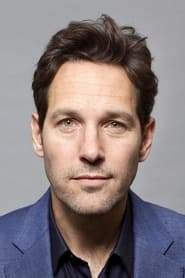
Paul Rudd está magnífico porque Rick nunca queda reducido al músico derrotado al que debemos compadecer. Hay orgullo, resentimiento, impulsividad y una capacidad bastante grande para hacerse daño a sí mismo. Pero también hay algo profundamente reconocible en su necesidad de que alguien admita que aquello que creó importaba. No está reclamando simplemente una melodía: está defendiendo la parte de su historia personal que quedó dentro de ella.
Nick Jonas tiene un papel más ingrato porque durante buena parte de la película resulta difícil no enfadarse con su personaje. Y eso funciona. Carney entiende muy bien la enorme diferencia de poder entre quien posee fama, dinero, industria y altavoces y quien solo tiene su palabra. Esa desigualdad hace que cualquier discusión sobre autoría deje de ser puramente artística y se convierta también en una cuestión moral.
Ese fue el punto donde la película me agarró de verdad. Yo había visto cómo nacía la canción y, desde ahí, me costaba aceptar cualquier intento de convertir el conflicto en una simple confusión entre dos egos. La película juega deliberadamente con esa indignación y consigue que el éxito de uno pueda sentirse como una humillación para el otro. Es una sensación incómoda y, por momentos, desesperante.
También me gusta que no idealice a Rick. Sentirse perjudicado no convierte automáticamente a alguien en impecable. El dolor puede transformarse en obsesión y una injusticia puede terminar ocupando tanto espacio que empiece a contaminar todo lo demás. Esa dimensión hace que la película sea bastante más interesante que un relato sencillo sobre un hombre bueno frente a un hombre malo.
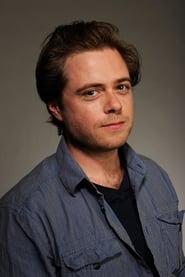
Peter McDonald es estupendo. Su energía, su gestualidad y ese punto ligeramente desgarbado me recordaron mucho al Rhys Ifans joven. Aporta humor y humanidad sin parecer colocado únicamente para aliviar la tensión. Es uno de esos secundarios que hacen que el mundo alrededor del protagonista tenga vida propia.
Y, como siempre en Carney, Dublín y la música parecen respirar juntos. Quien tenga una relación especial con Once reconocerá enseguida esa manera de entender las canciones como memoria emocional. No se trata de colocar música encima de las escenas, sino de hacer que una canción pueda contener años de una vida, una relación, una frustración o algo que nunca se supo decir bien.
La película tiene defectos. Parte del conflicto nace de decisiones que podrían haberse evitado con una conversación razonable, y en algunos momentos se nota demasiado la maquinaria necesaria para mantener separados a los personajes y prolongar el enfrentamiento. También hay desarrollos que se pueden anticipar. Carney nunca ha sido un cineasta especialmente interesado en sorprender mediante trucos.
Pero aquí importa mucho más la honestidad emocional que la sorpresa. El tramo final funciona porque toda la rabia acumulada encuentra una salida emocional que no sentí barata ni impostada. Yo terminé llorando primero de pena y frustración y después de pura emoción. Ese cambio importa: la película no solo provoca sentimiento, sino que transforma el tipo de sentimiento que ha ido construyendo.
Letras robadas me ha encantado porque entiende algo que para mí es esencial: una canción puede valer mucho más que su precio, sus derechos o su posición en una lista de éxitos. Puede guardar una vida entera dentro. Y cuando alguien siente que le han robado algo así, no está peleando únicamente por reconocimiento; está intentando demostrar que su propia historia existió. Puede ser sentimental, previsible y algo manipuladora, pero conmigo funcionó por completo.
(ENGLISH)
A film about musical authorship may initially seem built around a rather small conflict: who wrote what, who deserves the credit and who ended up taking the success. Power Ballad manages something much harder: turning that dispute into a question of identity, dignity, memory and affection. It took me from irritation to anger, from anger to sadness and from there to enormous emotion. And when a film can move me like that, it matters little that some of the screenplay's machinery is visible.
John Carney returns to territory he knows perfectly: wounded people who find in music a way to say what they cannot express otherwise. Here, however, there is more anger than in some of his other films. Music does not only unite; it can also divide, become property, money, pride and an open wound when someone feels that part of their life has been taken away.
Paul Rudd is excellent because Rick is never reduced to the defeated musician we are simply expected to pity. There is pride, resentment, impulsiveness and a considerable ability to damage himself. But there is also something deeply recognizable in his need for someone to acknowledge that what he created mattered. He is not merely claiming a melody: he is defending the part of his personal history that became embedded in it.
Nick Jonas has the more thankless role because for much of the film it is difficult not to be angry with his character. And that works. Carney understands very well the huge imbalance of power between someone who has fame, money, an industry and a platform and someone who has little more than his word. That inequality turns any discussion about authorship from a purely artistic dispute into a moral one as well.
That was where the film really grabbed me. I had seen how the song came into being and, from that point on, I found it difficult to accept any attempt to reduce the conflict to a simple misunderstanding between two egos. The film deliberately plays with that indignation and manages to make one person's success feel like another person's humiliation. It is uncomfortable and, at times, genuinely frustrating.
I also like that Rick is not idealized. Feeling wronged does not automatically make someone flawless. Pain can turn into obsession, and an injustice can take up so much space that it begins to contaminate everything else. That dimension makes the film considerably more interesting than a simple story about a good man against a bad one.
Peter McDonald is terrific. His energy, physicality and slightly gangly quality reminded me a lot of a young Rhys Ifans. He brings humor and humanity without feeling as though he has been inserted merely to relieve tension. He is one of those supporting actors who makes the world around the protagonist feel alive.
And, as always with Carney, Dublin and music seem to breathe together. Anyone with a special relationship to Once will immediately recognize that way of treating songs as emotional memory. This is not about laying music over scenes, but about allowing a song to contain years of a life, a relationship, a frustration or something that was never properly said.
The film has flaws. Part of the conflict grows out of decisions that could have been avoided through a reasonable conversation, and at times the machinery needed to keep the characters apart and prolong the confrontation is too visible. Some developments are also easy to anticipate. Carney has never been especially interested in surprising us through tricks.
But emotional honesty matters much more here than surprise. The final stretch works because all the accumulated anger finds an emotional release that never felt cheap or false to me. I ended up crying first from sadness and frustration and later from pure emotion. That shift matters: the film does not merely provoke feeling, it transforms the kind of feeling it has been building.
Power Ballad delighted me because it understands something essential: a song can be worth far more than its price, its rights or its place on a chart. It can hold an entire life inside it. And when someone feels that something like that has been stolen, they are not fighting only for recognition; they are trying to prove that their own story existed. It can be sentimental, predictable and slightly manipulative, but it worked completely for me.
 Movistar Plus+ Ficción Total
 HBO Max
 HBO Max Amazon Channel
 Apple TV Store
 Rakuten TV
 Amazon Video