ACERVO · Pelicula · 2016
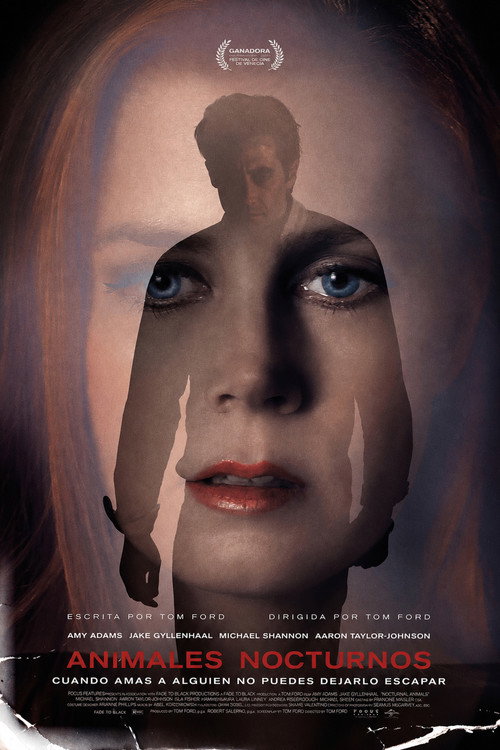
Animales nocturnos
Nocturnal Animals
Susan Morrow es una galerista afincada en Los Ángeles que comparte una vida llena de lujos, aunque vacía, con Hutton Morrow, su segundo marido. Un día, Susan recibe una novela escrita por su exmarido Edward Sheffiel, del que lleva años sin tener noticias. En una nota le pide que lea la novela inédita y que se ponga en contacto con él, pues se quedará unos días en la ciudad. Es de noche. Susan, sola en la cama, empieza a leer, y es la historia de un matrimonio con una hija que conduciendo por Texas una noche, son perseguidos por otro vehículo...
Fuente: TMDB
* 7.4 (8505)DramaSuspensoEstados Unidos
Directores
Paises
Estados Unidos
Estudios
Fade To Black · Artina Films · Focus Features · Tom Ford · Perfect World Pictures
Duración
115 min
Clasificación
16 años
Estreno
04/11/2016
Puntuacion
7.4 / 10 (8505)
Donde ver
 Netflix
 Netflix Standard with Ads
 Apple TV Store
 Rakuten TV
 Amazon Video
Reparto





Comentarios
Inicia sesión para comentar y debatir sobre esta obra.
Cargando
Resenas de usuarios

Marco-Hugo Landeta Vacas
(CASTELLANO)
Hay películas que terminan y otras que se quedan dentro, trabajando durante horas. Animales nocturnos me dejó bloqueado. No fue solo por su dureza, sino por la forma en que convierte una novela dentro de la propia película en un arma emocional capaz de atravesar a quien la lee y también a quien la contempla. Tom Ford construye dos mundos distintos y consigue que uno termine contaminando al otro hasta que ya no es posible separarlos.
La parte de la novela es brutal. No porque dependa únicamente de la violencia, sino porque trabaja sobre algo mucho más incómodo: la impotencia. Jake Gyllenhaal interpreta a un hombre que no responde como un héroe de thriller, sino como alguien sobrepasado por una situación que se vuelve cada vez más amenazante. Esa vulnerabilidad resulta desesperante precisamente porque obliga al espectador a pensar qué haría él, cuánto tardaría en reaccionar y dónde estaría su límite.
Yo sufrí muchísimo con esa historia. La familia que habita esa historia deja de sentirse como una simple pieza narrativa y adquiere una presencia emocional suficiente para que el miedo se convierta en pena. Llegué a llorar con esa parte. Ese es uno de los mayores logros de la película: hacer que personajes pertenecientes a una ficción dentro de otra ficción tengan peso real, hasta el punto de que su dolor termine afectando también a la lectura que hacemos de la vida de Susan y Edward.
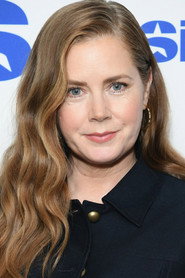
Amy Adams está magnífica porque su personaje vive gran parte de la película leyendo, recordando y comprendiendo. Ford utiliza su rostro como territorio narrativo: culpa, insatisfacción, deseo, arrepentimiento y una sensación creciente de que determinadas decisiones siguen existiendo mucho después de haber sido tomadas. Susan vive rodeada de belleza, dinero y espacios perfectamente diseñados, pero todo parece frío, vacío y casi incapaz de ofrecer consuelo.
Ese contraste visual es extraordinario. El mundo de Susan es elegante, geométrico y pulido; el de la novela, árido, sucio y físicamente amenazante. Ford procede del mundo de la moda y podría haber caído en el simple exhibicionismo estético, pero aquí la belleza no es decoración: muchas veces funciona como una cárcel. Cuanto más perfecto parece un espacio, más evidente se vuelve lo que falta dentro.
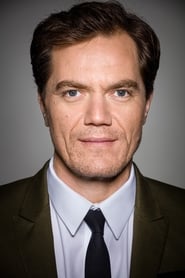
Michael Shannon vuelve a demostrar por qué puede resultar intimidante incluso estando quieto. Tiene una mirada, una voz y una rigidez corporal que convierten a su personaje en alguien imposible de leer del todo. Nunca sabes si va a proteger, presionar o cruzar una línea. Esa ambigüedad le da una fuerza enorme y convierte cada aparición suya en una fuente adicional de tensión.
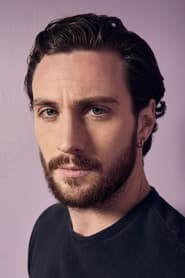
Aaron Taylor-Johnson es todavía más difícil de soportar, y eso es un elogio. Resulta repulsivo, imprevisible y peligroso sin necesidad de convertirse en una caricatura. Cuesta relacionarlo con la ligereza de Kick-Ass: aquí utiliza el cuerpo, la sonrisa y la mirada para construir una presencia que produce rechazo inmediato. Cada vez que aparece, la película se vuelve más incómoda.
La estructura podría haber resultado artificiosa, pero a mí me funciona precisamente porque las dos narraciones no compiten. La novela no es una pausa dentro de la historia principal, ni la historia principal un simple marco. Una ilumina a la otra. El miedo, la pérdida, la culpa, el resentimiento y la sensación de haber destruido algo irreparable empiezan a resonar entre ambos niveles hasta crear un único estado emocional.
Y ahí está lo que más me impresionó: el poder de la ficción para decir algo que una conversación directa quizá no podría expresar. Un libro puede convertirse en carta, reproche, memoria, castigo o despedida sin dejar de ser una obra independiente. La película entiende que escribir también puede ser una manera de obligar a otro a mirar aquello de lo que llevaba años huyendo.
No es una película cálida ni pretende serlo. Es cruel, estilizada, amarga y por momentos insoportable. También exige aceptar cierta teatralidad, símbolos bastante evidentes y una puesta en escena que nunca quiere pasar desapercibida. Entiendo que esa combinación pueda parecer pretenciosa a algunos espectadores. A mí me atrapó por completo.
Animales nocturnos es un peliculón. Me dejó llorando, bloqueado y sin ganas de poner inmediatamente otra película. Eso no ocurre porque simplemente sea triste, sino porque consigue que realidad, recuerdo y ficción terminen formando la misma herida. Tom Ford filma con una elegancia casi clínica, pero debajo de esa superficie hay rabia, culpa, pérdida y una tristeza enorme. Cuando terminó, la película ya no estaba en la pantalla: seguía dando vueltas en mi cabeza.
(ENGLISH)
Some films end, while others remain inside you, working for hours. Nocturnal Animals left me genuinely stunned. It was not only its harshness, but the way it turns a novel inside the film into an emotional weapon capable of piercing both the person reading it and the viewer watching. Tom Ford builds two very different worlds and gradually lets one contaminate the other until they can no longer be separated.
The novel within the film is brutal. Not simply because of violence, but because it is built around something far more uncomfortable: helplessness. Jake Gyllenhaal plays a man who does not respond like a thriller hero, but like someone overwhelmed by a situation becoming increasingly threatening. That vulnerability is frustrating precisely because it forces us to wonder what we would do, how quickly we would react and where our own limit would be.
I suffered enormously through that story. The family inside that story stops feeling like a mere narrative device and gains enough emotional presence for fear to turn into sorrow. I ended up crying through that part. That is one of the film's greatest achievements: making characters who exist inside a fiction within another fiction feel real enough for their pain to reshape the way we understand Susan and Edward.
Amy Adams is superb because so much of her performance is built around reading, remembering and understanding. Ford uses her face as narrative territory: guilt, dissatisfaction, desire, regret and the growing sense that certain decisions continue to exist long after they were made. Susan is surrounded by beauty, money and perfectly designed spaces, yet everything feels cold, empty and almost incapable of offering comfort.
That visual contrast is extraordinary. Susan's world is elegant, geometric and polished; the novel's world is dry, dirty and physically threatening. Ford comes from fashion and could easily have fallen into empty visual display, but here beauty is not decoration: it often works like a prison. The more perfect a space appears, the more obvious it becomes that something essential is missing.
Michael Shannon once again shows why he can be intimidating even when standing still. His stare, voice and rigid physicality make his character difficult to read completely. You are never quite sure whether he will protect, pressure or cross a line. That ambiguity gives him enormous force and turns every appearance into another source of tension.
Aaron Taylor-Johnson is even harder to endure, and that is meant as praise. He is repellent, unpredictable and dangerous without becoming a cartoon. It is difficult to connect him with the lighter energy of Kick-Ass: here he uses his body, smile and gaze to create an immediate sense of disgust. Every time he appears, the film becomes more uncomfortable.
The structure could easily have felt artificial, but it works for me because the two narratives never compete. The novel is not an interruption in the main story, and the main story is not merely a frame. Each illuminates the other. Fear, loss, guilt, resentment and the sense of having destroyed something irreparable begin echoing across both levels until they create a single emotional state.
What impressed me most is the power of fiction to say something that direct conversation might never express. A book can become a letter, an accusation, a memory, a punishment or a farewell while still remaining a work in its own right. The film understands that writing can also be a way of forcing another person to look at what they have spent years avoiding.
This is not a warm film, nor does it want to be. It is cruel, stylized, bitter and at times almost unbearable. It also asks the viewer to accept a degree of theatricality, fairly visible symbolism and a visual style that never tries to disappear. I can understand why that combination might strike some viewers as pretentious. It completely worked for me.
Nocturnal Animals is an extraordinary film. It left me crying, stunned and with no desire to immediately put on another movie. That did not happen simply because it is sad, but because it makes reality, memory and fiction become part of the same wound. Tom Ford films with almost clinical elegance, yet beneath that surface are anger, guilt, loss and immense sadness. When it ended, the film was no longer on the screen: it was still turning around in my head.
Palabras clave
based on novel or bookcheatingparent child relationshiphostageinsomniacowardiceflashbackrevengemurdercancer
Enlaces relacionados