
In a small mountain town Matsuba Tomi runs a folk house inn. Using scrap material and discarded items she's created a space to enjoy the bounty of nature. A year in the life of a folk house inn.
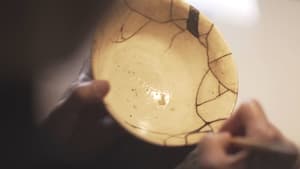
Using lacquer to reassemble broken vessels by pasting shards together and coating with gold or silver powder, a technique known as kintsugi. In Western cultures, repairs aim to return a piece to its original state. Kintsugi does the…
Asakusa, Tokyo, is home to many shrines and temples. Visitors often buy "omikuji," which are small pieces of paper with fortunes written on them. Normally burned for disposal, washi paper artisan Shinoda Kaho came up with the idea of…
After leaving his math teaching job Suzuki Yuichi became a doctor, but he has no license. The surgeries he performs require a drill or a screwdriver not a scalpel, and his patients aren't humans but toys. Children bring their broken toys…
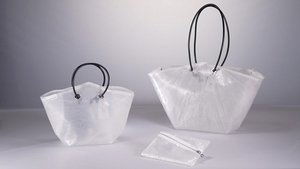
Cheap plastic umbrellas are all too easily used and thrown away in Japan. And since they're difficult to break down, recycling efforts have stalled. But young creator Saito Aki has an original idea that may be the solution. By compressing…
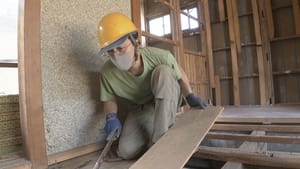
Azuno Tadafumi runs a rather unconventional retail space. It doesn't just carry used tools or furniture, but also salvaged lumber. Many Japanese country houses go vacant. These derelict homes are regularly torn down. When he hears about a…
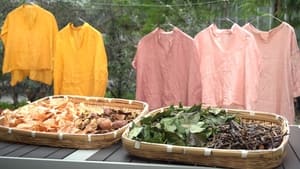
Komuro Maito has a studio in downtown Tokyo where he works with traditional plant-based dyes. His dyes are made from things that would normally be discarded like fruit skins or pruned twigs. But the results he achieves are so stunning,…
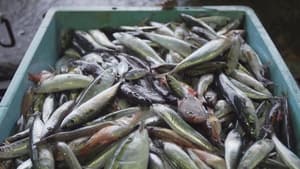
Japanese chef Kai Kosei offers dishes featuring "Zako," fish with little or no market value. Either because they're too small or aren't commonly eaten, they're mostly discarded. In response, Kai's restaurant celebrates their…
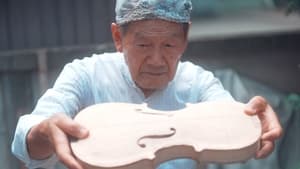
For over 40 years Tsukamoto Yoshifusa has used scrap wood from old Japanese houses to make violins. Carefully carving the front and back plates using self-taught techniques, each one takes nearly a year to complete. So far, he's made 45.…
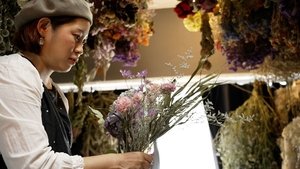
Flowers accompany life's most important moments. But there's a sadness to picked flowers. They color our lives and are all too quickly discarded. Kawashima Haruka makes the most of them, drying discarded flowers for a second incarnation.…
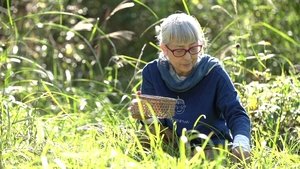
Nakahara Keiko lives at the foot of the Yatsugatake Mountains in central Japan. She dyes fabric using nearby plants and makes reusable food wrappers with wax from local honeybees. Her commitment to an eco-friendly lifestyle includes…

Japanese schoolchildren wear backpacks known as Randoseru. Though sturdily made, after the first 6 years they're no longer used. Nishikawa Masako takes such disused Randoseru brought in by clients and remakes them into accessories that…
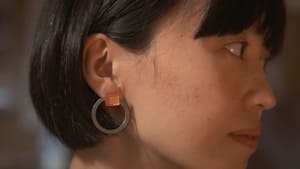
Working as an architectural designer after college, Kigami Natsuko soon added "jewelry maker" to her job description. Using things like discarded tile and other waste that's all too common on construction sites, she makes earrings and…

The Japanese southern island of Okinawa Prefecture, warm all year, this popular tourist spot is home to "Ryukyu Glass," a local industry for over 100 years. Glass blower Matsumoto Sakae insists on using discarded bottles as raw material.…

Kids just love coloring with crayons! But what if a child puts them in their mouth or tries to eat them? Kimura Naoko has come up with a new type of crayon made with fruits and vegetables that's totally non-toxic. And instead of "red" or…
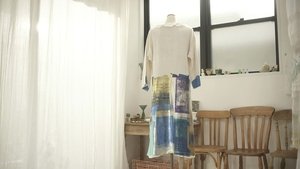
In a Tokyo studio Fujisawa Yuki processes old clothing, giving it new life using dye or lace. She also uses the technique of hot stamping to apply gold or silver leaf, reinforcing damaged areas and making them shine. She says she loves…
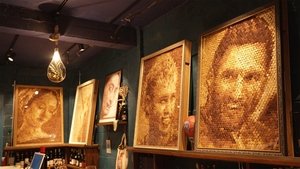
Kubo Tomonori is a sommelier. He's also an artist who makes portraits from used wine corks. He's done famous faces like Leonardo da Vinci, Salvador Dali and Audrey Hepburn. He insists on using only shades created by actual wine, saying…

Shibahara Katsuji is a skilled woodworker. He makes all kinds of things to order, but from time to time he takes on a particularly unusual request. Remaking an unplayed piano. He makes them into desks, shelves and even doorstops. The…

In Japan over 3 million vehicles a year are scrapped. 80% of the components can be recycled, but the remaining 20% can't be and is discarded as trash. Auto wrecker Kamimura Masanori made up his mind to find a new use for seatbelts and…
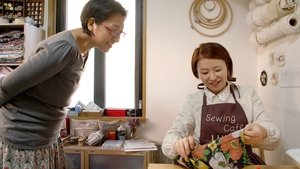
At Li Rui's sewing school, students learn how to remake adult clothes into kids wear. Most are moms raising children. They bring their own things; items that no longer fit, or they no longer wear but can't part with. Items once destined…
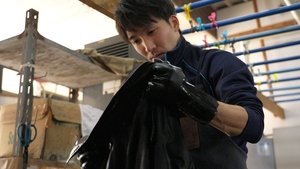
Making use of his vast experience, dyer Izawa Tsuyoshi has added a touch of color to all kinds of things. And two years ago, he began a new undertaking; dyeing old and worn-out clothes black. This has several benefits. Black hides damage…
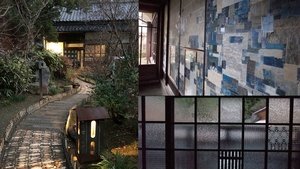
Matsuba Tomi lives in a town steeped in history, running an inn in an old folk house she restored, reusing waste materials. Discarded bricks line the garden path, the washroom basin is a broken jar, and the windows are a patchwork of old…
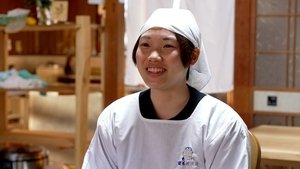
Produce is generally uniform in color, shape and size due to strict standards, which also makes for improved efficiency, but it means deviations aren't tolerated. Suyama Chimi, who studied agriculture at university, set out to open an…

Textile artist Hayakawa Yumi lives on a verdant mountainside. Using cloth gathered from all over Asia, she makes one-of-a-kind clothing, bags and more. Scraps of fabric from her work are scattered all over her home studio as she never…
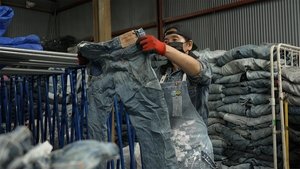
The whole world loves jeans. But they're also all too often thrown away. Kawahara Takuya upcycles this discarded denim combining different textures and fading to create stylish clothes with a unique sensibility that's seen them grow in…
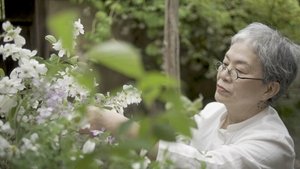
Using discarded materials, Matsuba Tomi has brought a 200-year-old folk house back to life as an inn. Spring has come, and she gathers bamboo shoots for cooking and display, and fills an old baby carriage with freshly picked flowers,…
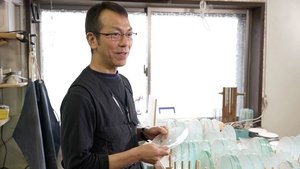
In the mid-20th century, glass panes featuring patterns like chrysanthemums or cherry blossoms were popular in Japanese homes. As older houses are demolished such glass is often discarded, but artisan Koyakata Yoshikazu has found new uses…
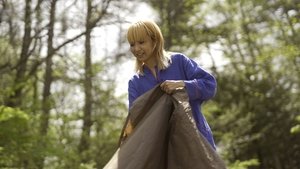
Mori Yumi remakes old clothes with a sense of humor. And she's using her special flair to upcycle tents. Display models or those damaged in shipping must be disposed of, and Mori uses material from such tents to make bags and even…
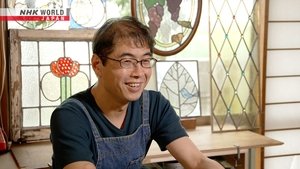
Saito Masaya is one of the few artisans repairing stained glass in Japan. He removes the damaged sections, delicately replacing them one by one. Getting the same glass as the original is impossible, so Saito chooses the best alternative…
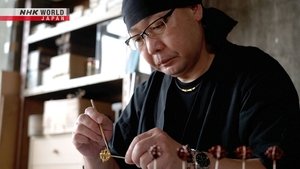
Many Japanese homes have beautifully decorated altars called "butsudan" where families pray to Buddha and their ancestors. Their construction involves several traditional crafts. But with changes in Japanese lifestyles, they're now less…
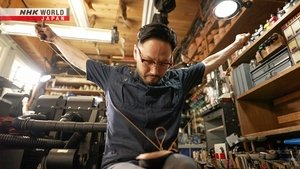
A shoe repair shop in Yokohama. Owner Murakami Rui repairs badly damaged shoes refused by other shops. Working with customer wishes in mind, he takes great care, disassembling and replacing damaged sections, reinforcing as needed, even…

Kobe is known for bread. But unsold loaves spoil and must be discarded. Turning this waste into something different is Kobe-based artist Morita Yukiko. She adds LED lights and preserves it with long-lasted resin, producing lamps that…
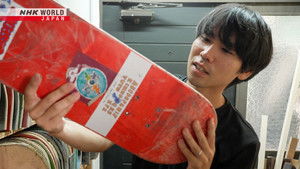
Skateboarding is popular worldwide. But when skateboards get worn out, they become unsafe and have to be scrapped by their riders. In the hands of woodworker Anakubo, these old decks are reborn. Making the most of their multi-colored…
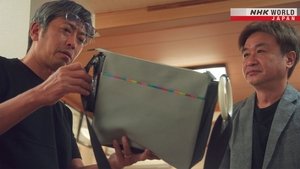
The subway, vital to city living. But after around 40 years, most Osaka Metro subway cars are scrapped. Thanks to two creators, a new upcycling project is underway. Designer Takayama Katsumi and bag maker Shinoda Eiji reuse material from…
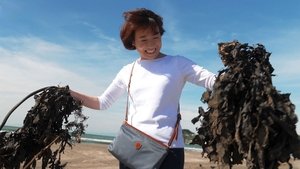
Kamakura, a beautiful historic seaside town, has a garbage problem: seaweed that starts to smell if it isn't disposed of. Culinary researcher Yano Fukiko has come up with a use for it. She gathers, dries, grinds and feeds it to pigs. The…
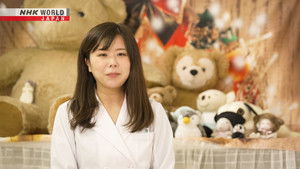
A beloved stuffed animal is irreplaceable. But over the years they suffer wear and tear, and the damage can be severe. The attachment their owners feel makes replacement out of the question. And so Hakozaki Natsumi opened her stuffed…
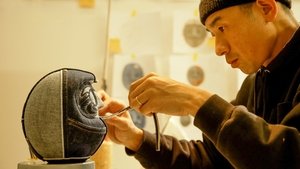
Former pro skateboarder Shimizu Aoi set out to become an artist in his second life. As he searched for a medium to work in, he was caught by the jeans he once wore during practice. The denim's appealing color gradations and distinctive…
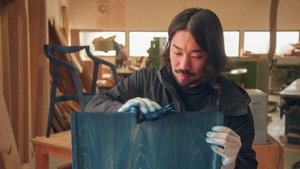
Lumber that's too short or too narrow can be hard to sell. Offcuts are usually discarded or end up as woodchips. But Tanaka Ryosuke and Miyachi Yoh use them for furniture. Not big enough for large panels, multiple boards must be glued…
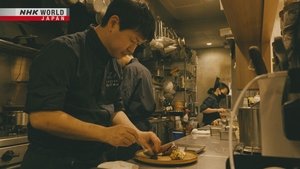
Chef Murota Takuto's restaurant is tucked away in a quiet corner of trend-setting Shibuya. Uniquely, he insists on using wild game, culled as so-called pests that can destroy crops or cause other harm. Wild game isn't mainstream in Japan,…
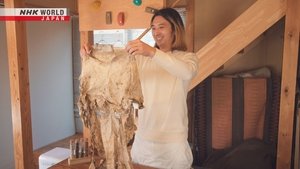
Fashion designer Sawayanagi Naoshi uses only all-natural materials to make clothing that can be safely decomposed by microorganisms in the soil. His partner Hirota Takuya, who studied agriculture helped develop the ideal soil. Their brand…
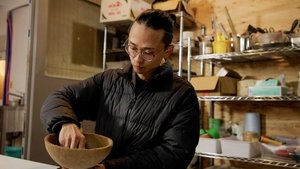
"They're not trash cans, but resource bins," says Murakami Yuki. His love of making goes back to childhood. And at college he developed his own banana peel leather. Transforming garbage and scrap into useful materials – lampshades from…
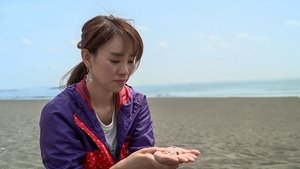
Manicurist Arimoto Naomi makes colorful nail tips. But behind the beautiful patterns is plastic trash from nearby beaches. Fashion-inspired eco-consciousness is her goal. A former care worker, nine years ago, she lost the use of her legs…
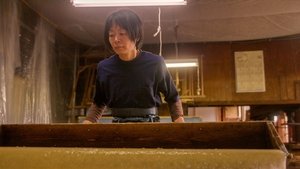
Echizen City in Fukui Prefecture is a major center for washi paper production. There, papermaker Igarashi Masami created "Food Paper," combining produce like potatoes or onions – mainly discards and scraps from the food industry – with…
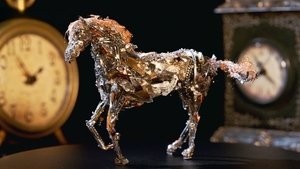
Ito Naofumi is a watchmaker in southwestern Japan. He's also a rather unusual artist. With old watch parts, he brings frogs, horses, dragonflies and other creatures to life, expressing a watchmaker's appreciation for the eternal beauty…
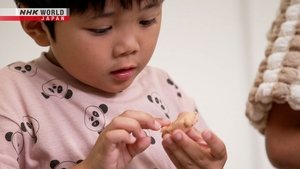
A downtown Tokyo pencil maker offers a unique product. Clay made from sawdust. Working to find a way to make use of the waste generated in the pencil making process, current president, Sugimoto Ryuichi, developed the clay after years of…

Japan loves baseball! Many young people here dream of being a pro player. But baseball gear, particularly gloves that differ depending on the player's position, can be so costly that some players give up. Yonezawaya Tomohiro came up with…
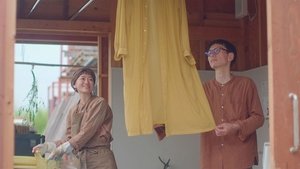
Ibaraki Prefecture, northeast of Tokyo, is home to verdant farmland. Seki Masafumi was born there. At the dyeing studio he runs with his wife Yuko, they use agricultural waste from the area, like pruned stems and leaves to make dye. The…
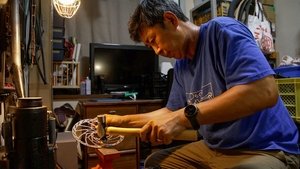
Yamamoto Atsushi makes things with old bicycle parts. Tires, brakes, valve stems, many parts make up a bicycle, but they're difficult to reuse. Creating clever items like handbags made from innertubes, Yamamoto is a real bicycle lover.…

In this era of cheap, mass-produced products, Nihei Toru sells restored old furniture at his shop in a verdant mountain village north of Tokyo. Pieces that were in bad condition are brought back from the dead. But rather than aiming for…
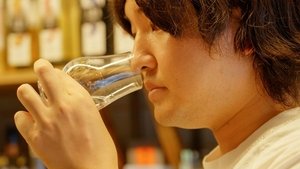
Yamaguchi Ayumu runs a small Tokyo distillery. He uses sake lees left over after brewing sake from rice. These often go to waste, but they impart a fruity aroma ideal for distilling into gin. Yamaguchi also uses other waste like coffee…

Culinary researcher Yokoyama Takako lives in a mountain region. She cans and ferments local produce to make it through the depths of winter; work supported by nature's bounty and ancestral wisdom.
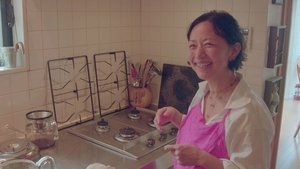
Takasago Masami generates almost no plastic waste. Composting instead of plastic bags for food scraps, or doing dishes with a cloth instead of a disposable sponge; little ideas that are fun and easy.
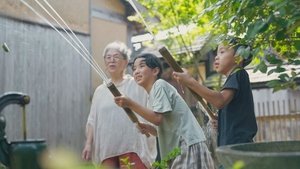
Folk house innkeeper Matsuba Tomi hosts her grandchildren in summer. After playing in the garden, they help clean and rest under the mosquito net. An old-fashioned way of life forms precious memories.
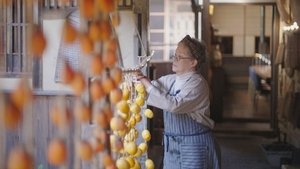
Autumn at the folk house inn. Matsuba Tomi values all things. Welcoming guests with decorations of fallen ginkgo leaves, the nuts used for the evening meal; simple treasures with enduring appeal.
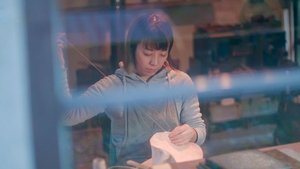
Artisan Takezawa Mutsumi's workshop lies at the foot of a mountain west of Tokyo. She makes pieces using leather from animals culled as pests, hides usually thrown away, but she gives them new life.
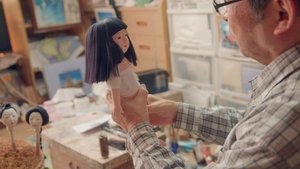
Artisan Matoba Kensho restores traditional dolls. Beyond cleaning, he repairs damage to faces. Well-cared-for dolls can last 100 years, so he hopes people bring them to him, and never discard them.
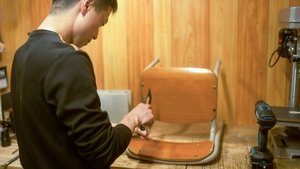
With a falling birthrate, school closures are on the rise in Japan, and things like desks and chairs have no place to go. Doi Kenji upcycles these discards into stylish and unique interior items.

At Yoshimura Mayu's atelier anyone can come in and make clothes. The materials are discards from industry and major brands. And working together leads to great ideas they couldn't come up with alone.
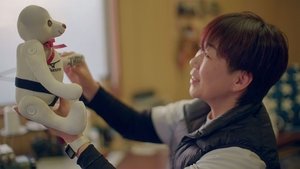
Judo instructor Sato Hitoe uses worn-out uniforms, or gis, to make items like tote bags; very durable, since the original material was meant to be tough. And behind it all is Sato's love for judo.
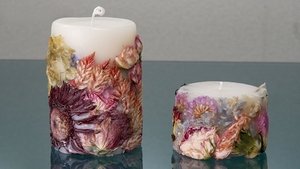
Some 20% of grown flowers for sale in Japan are discarded as substandard. Nakanishi Megumi uses them to make candles. Just like the flawed beauty of humanity, waste flowers, too, have a unique charm.

Maro Kuratani knits scarves and other items with surplus yarn, using threads of varying color and thickness. She says yarn is the ultimate eco-friendly material as reknitting is always an option.
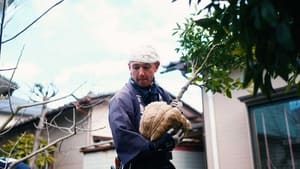
Gardener Yamashita Rikito collects plants with nowhere to go—that must be removed for demolition or renovation—and finds them new homes; saving them while saving those who give them up from regret.

Chiba Prefecture is known for peanuts. Area leather goods seller Iijima Satoshi uses discarded peanut skins from local farmers to make synthetic leather that's eco-friendly, durable and very versatile.

Trash Tribe is a band led by Oomote Fumiaki. Their instruments are made with marine trash. Fishing line and driftwood on strings. Plastic bottle percussion. Their laid-back music has fans of all ages.
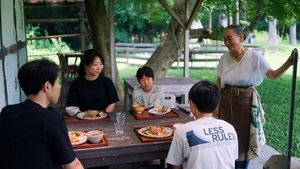
Nakajima Deco is obsessed with finding ways to live a waste-free life. Diners at her cafe are served vegetables—peels, leaves and all—conveying the value of life through her cooking.
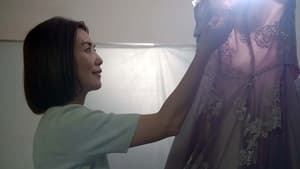
With even slight damage, wedding dresses often have to be discarded. Nogami Yuko uses these for upcycling. Bringing happiness from one bride to another; remade better than new.
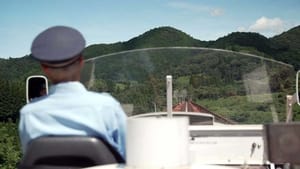
A popular tourist train in Kyushu's Takachiho area is powered by fuel made from leftover ramen soup! Starting from zero, trucking company owner Nishida Masumi developed his own biodiesel.
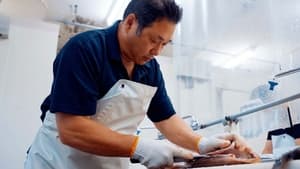
Fish that overconsume seaweed, often called pests. A strong odor also makes them hard to sell. Kanazawa Ryuji uses these to make a distinctive fish sauce, so that no life from the sea goes to waste.
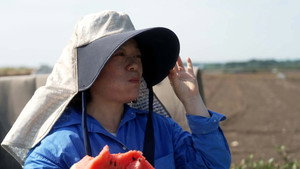
Unsellable substandard produce becomes soap thanks to farmer Harada Yuko. She hopes her work will change how people see fruits and vegetables, so that none of them will ever go to waste.
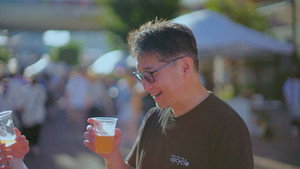
A bread maker for many years, Yoshioka Kenichi had a problem with leftover bread crusts. Seeking some use for them, he's put the same love he has for bread into making delicious craft beer.
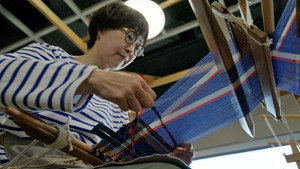
Miyoshi Chika preserves the ancestral wisdom that even smallest scrap of fabric should never go to waste: the art of sakiori. She weaves strips of old cloth into colorful items with modern appeal.
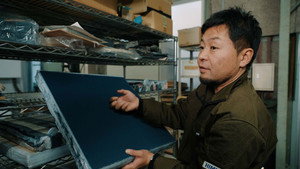
Substandard fabric from Himei Akira's dye works is now being made into a new composite material. With its wood-grain pattern, it's useful in everything from furniture to small accessories.
Kojima Sachiyo runs a different sort of bar. Customers make small items out of scrap material. Finding new appreciation for things once seen as disposable, all while enjoying a drink with friends.
Clockmaker Takumi Ada spends his days repairing clocks damaged in a massive earthquake that struck the Noto Peninsula in 2024. He also helps the clocks' owners recover some of the time they've lost.
Nearly everything the Sakamoto family eats they produce themselves, collecting local food waste to feed their pigs, and using solar power. A zero waste life cycle that also makes for a happy family.
Potters Matsubara Emi and Matsushita Ryohei use waste from their island home, bean pods, seashells, and even animal bones, in their work. A deep respect for the island helps them convey its beauty.
Abashiri is known for drift ice. Local Glass artisan Gunji Noboru uses recycled fluorescent bulbs to make eco-friendly art inspired by the natural environment while striving to reduce his energy use.
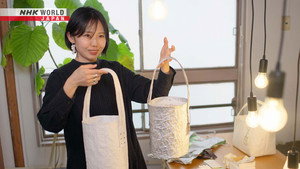
Taoda Ayane does amazing things with milk cartons, transforming them into accessories, bags, and even clothing. The cartons are also strong and water-resistant, so her creations are practical, too.
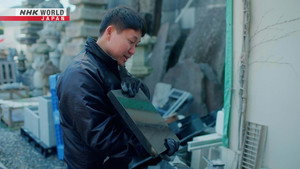
Inagaki Ryota, who runs a stone carving business, and his partner, stone artisan Inoue Koji, use stone castoffs to make beautiful tableware that also helps keep food at the optimal temperature.
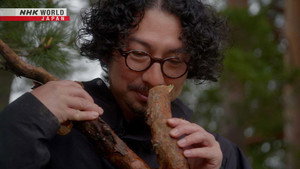
Branches from trees culled to thin the forest, once of no value, are the ideal material for Ishibashi Tetsushi. Extracting the essential oils, he transforms them into forest fragrances and hand soaps.

If even slightly damaged, yacht sails can no longer be used. Inspired by her love of the sport, former pro yacht racer Tagami Amiko takes such sails and makes them into bags and other products.
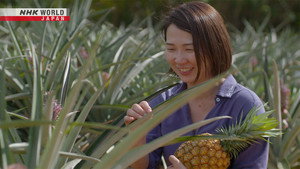
Uda Etsuko turns fiber from hard-to-process waste pineapple leaves into yarn and fabric for textiles in Okinawa. Expanding her operation to Indonesia, she hopes to take this untapped resource global.
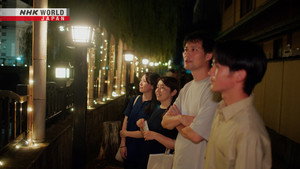
Forester Omura Daisuke transforms harmful overgrown bamboo in the mountains of Japan into distinctive lights. Instead of seeing it as a nuisance he seeks ways for bamboo and humans to coexist.
Repurposing used wine corks, old clothing... even eggshells into interior design materials, upcycling expert Miura Seiya is in high demand with companies looking for ways to reduce their waste.
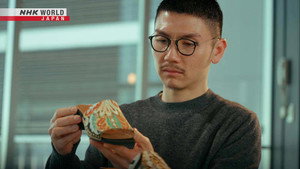
With falling demand and fewer occasions to wear kimonos, Tajiri Daichi turns discarded kimono fabric into stylish shoes, bringing tradition into everyday life and helping to keep it alive.