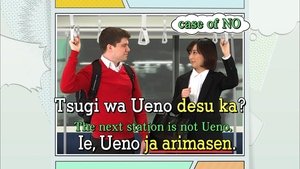
"Next is Ueno Station", in Japanese is "Tsugi wa Ueno desu". Ending a sentence with "desu" is a basic pattern, so how about using this pattern in various situations, and taking the first step towards communicating in Japanese?

When saying "My name is Tanaka", in Japanese, after the part that means "My name", we put "wa" particle. If the other person's name is also Tanaka, "wa" particle replaces "mo" article. Mastering this rule can take your Japanese one step…
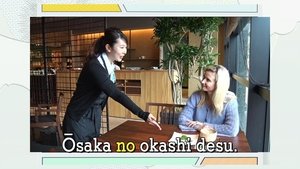
Today, we will focus on "no", the article used between 2 nouns. By saying "A no B", you're saying that A owns B. When the video is over, you'll learn various expressions that have "no" article.
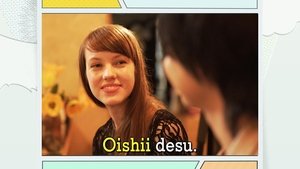
Today, we'll learn how to express our impressions or feelings by using adjectives such as "oishii" (tasty), "kireina" (beautiful), "shizukana" (quiet or calm) and so on. In the Phrase-easy segment, we'll introduce "Itadakimasu", the…
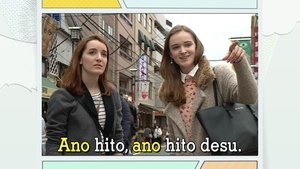
In this episode, we'll focus on "kore", "sore" and "are", 3 words that correspond to "this", "it" and "that". We'll learn the basic usage of these words, and then move on to "dore", a word used to ask about one item among several.
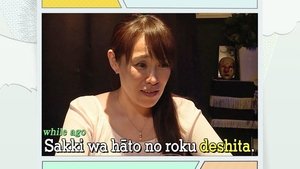
In this episode, we'll learn the word "deshita", which refers to the past. This word helps us to share our personal experiences with others. We'll also learn the word "daijobu", one of the most commonly used words in daily Japanese…
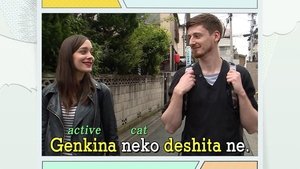
In this episode, we'll focus on "deshita", a word we can use when expressing past feelings or impressions. We'll also look at a common sentence pattern: na-adjectives + "deshita".

In this episode, we'll focus on the negative form of adjectives. For example, the phrase "oishi desu", meaning "(It) is delicious", becomes "oishiku nai desu", meaning "(It) is not delicious".
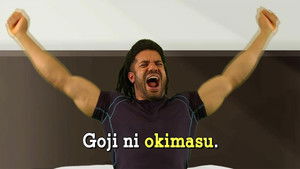
In this episode, we'll go over verbs that express action. For example, to run is "hashiri masu", to eat is "tabe masu". And to eat something becomes "…o tabe masu".
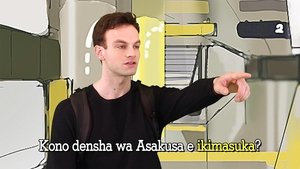
Today's expressions are "ikimasu", meaning "to go", and "kimasu", meaning "to come". We'll also learn how to make a sentence using the words "e" to express destinations, "ni" to say the time and "de" to describe the method of…
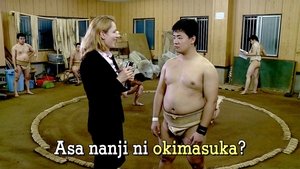
Today, we'll learn the past tense and negative forms of verbs by watching Japan's national sport - sumo. As we've learned before, when saying what time an action takes place, you add "ni" after the time.
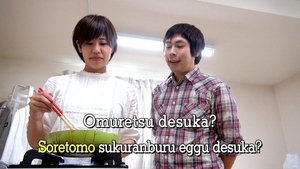
Today, we'll learn how to ask whether something is either A or B. "Omuretsu desuka? Soretomo sukuranburu eggu desuka?" The word "soretomo" is similar to the word "or" in English. When presenting another option, we use "soretomo".
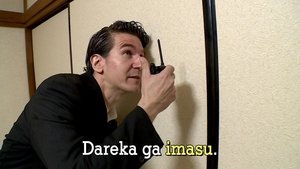
Today, we will learn how to talk about something you find or see. Detective Michael heads to the secret hideout of a dangerous criminal. He finds some clues to solve the crime, and then he talks to his partner over the radio. Take a look…
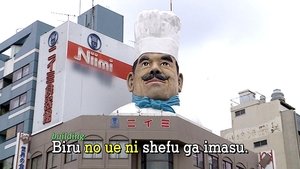
Today, we'll learn how to explain in detail where something or someone is. This lady is meeting her boyfriend in Asakusa. Let's check out their conversation about going shopping. There are some words that describe position in their…
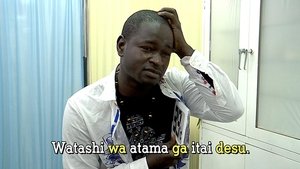
Today, we'll learn about how to talk about our health and how we're feeling. In the video, a man tells the doctor that he has a headache and a fever. And a woman tells the doctor that her stomach hurts. Communication with the doctor is…
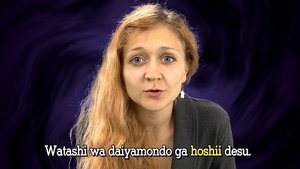
Today, we're going to go over some expressions used to say that you want something. One afternoon, a couple is watching a TV shopping show. The wife sees a white refrigerator, and she says, "I want that". But they just bought a new…
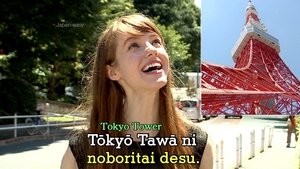
Today, we'll go over how to express your desire and to say you want something. In the video, a couple is on a date at Tokyo Tower. The man asks the woman what she wants, and he grants her wishes one after another, to her delight. Let's…
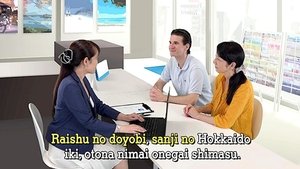
Today we'll learn how to talk about the past, like yesterday and the day before. In the video, detective Michael is investigating a crime that occurred 3 days ago. He asks the suspect what he has been doing in the past few days. Will…
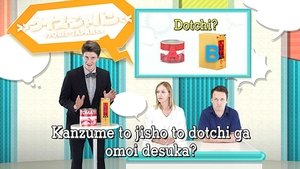
Today we'll learn how to compare two items and how to choose one of several items. When comparing two items, we use the word "docchi". And when choosing one of several options, we use the word "dore". In English, both words can probably…

Today we'll learn to make a suggestion to someone by adding "ka" to the negative form of a verb. In the video, a man wants to invite that he and his colleagues all go to dinner together. "Ikimasu" means "go". The negative form of…
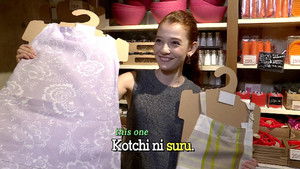
Today we'll learn about the polite and casual ways of speaking. First, let's look about the verb for "do" as in "to do something". In this case "shimasu" is polite and "suru" is the casual form. Now let's watch the video and focus on how…
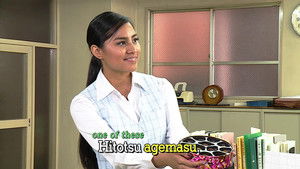
Today we'll learn expressions used when giving and receiving something. "Agemasu" means "to give" in English, and "moraimasu" means "to receive". And there's another expression for receiving things: "kuremasu". Now let's watch the video…

In this episode, we will learn 2 common endings for verbs: "kureru" and "ageru". "Kureru" is mostly used when someone gives you something. "Ageru" is used mostly when you give something to someone. The word "kau" means "to buy", so…
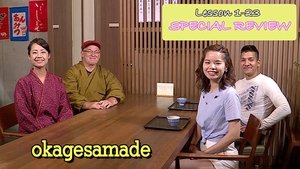
In this episode, Detective Michael uses several of the expressions that we've learned. First, he uses the expression "desu" to ask about the type of ramen the man is eating. Let's listen for both the question form and the negative form in…
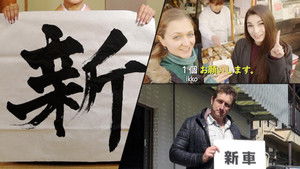
Today we'll learn how to ask or request something.
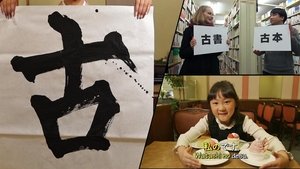
Today, we'll learn how to say that something is yours.
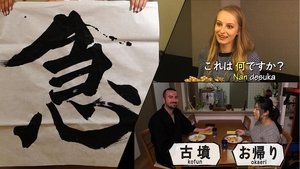
In today's program, we'll learn how to ask what something is. We'll also learn 3 pronouns words: kore, are and sore, meaning this, that and it.
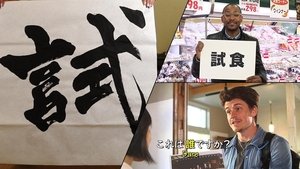
In this episode, we'll discover the various situations where we say "Who is this?" in Japanese. Let's notice that the phrase is different from when asking people in front of you and when asking when not.
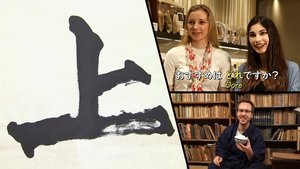
In this episode, we learn how to ask for a recommendation about what to eat or buy. This one convenient expression can help you make the best decision at restaurants and when traveling or shopping.
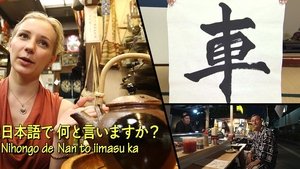
Maybe you know what something is, but do you know how to say it in Japanese? Today let's learn what to say in such a situation. This is going to help you ask a lot of questions, and that's a great way to build your vocabulary.
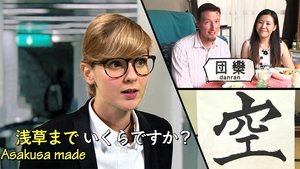
When you travel around Japan, you will want to know how much things cost. Just say “Kore wa ikura desuka?” and people will tell you how much you have to pay.
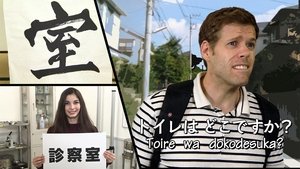
The phrase "Doko desuka?" means “Where is …?” This is a question you can use when you want to ask for directions. In this episode, we’ll learn how to ask where the restrooms are.
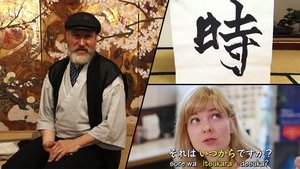
In this episode, we'll learn a question: "Sore wa itsu desuka?" We use this to ask when something is going to happen. We'll also learn about 3 kanji: 時 (time), 投 (throw) and 打 (strike / hit).
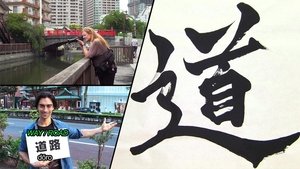
In this episode, we'll learn the question "Koko kara chikai desuka?" We use this to ask if something is nearby. We'll also learn 3 kanji: 道 (way), 歩 (walk) and 走 (run).

In this episode, we'll learn the question "Dono kurai kakarimasu ka?" We use this to ask how much time or money something takes. We'll also learn about 3 kanji: 金 (money), 近 (near) and 遠 (far).
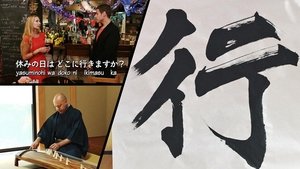
In this episode, we'll learn the question "Kono basu wa Shibuya e ikimasu ka?" We use this to ask if a person or a vehicle goes to a certain destination. We'll also review the phrases we've learned in the past episodes. The kanji we'll…
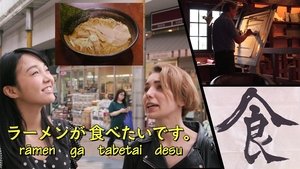
Today we'll learn how to express what we want, like when you want to eat something or when you want to ride a train. We'll also learn how to say the negative forms, like when you don't want to eat something.
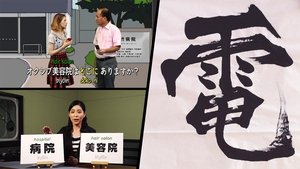
Today, we'll learn how to ask for what you're looking for. You can use this sentence when asking for a menu at a restaurant, or when you're looking for a particular size and color at a clothes store.
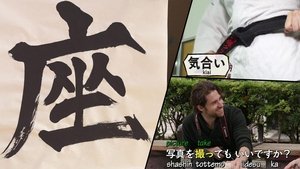
In this episode, we'll learn the phrase "Suwattemo iidesu ka?" It's useful when you want to ask someone for permissions. You can use it, for example, when you want to sit in an empty seat or when you want to turn on the air conditioner.…
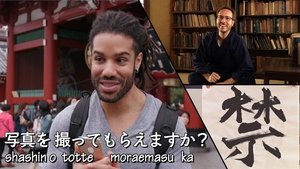
In this episode, we'll learn the phrase "Shashin o totte moraemasu ka?" This is a useful phrase when requesting someone to do something for you. You can use it, for example, when you ask someone to take your picture at a tourist spot, or…
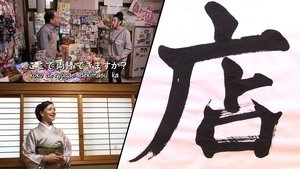
In this episode, we'll learn the phrase "Kokode ryogae dekimasu ka?" "...dekimasu ka?" is a useful expression to use when you want to ask if someone can do something. You can use it when you want to have a large serving in a restaurant or…
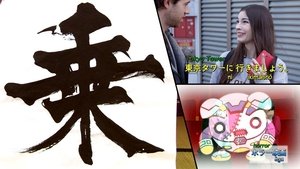
In this episode, we'll learn the phrase "Tokyo Tawa ni ikimasho". This is useful when you want to invite somebody to do something, like inviting someone to go to the movies with you or to go out to dinner. For Today's Kanji, we'll learn…
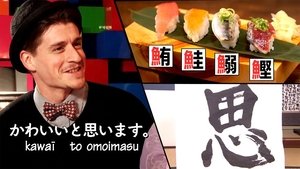
In this episode, we'll learn the phrase "Kawaii to omoimasu". This is a convenient expression that you can use to express your impressions. Just add "to omoimasu" to an adjective like "Kawaii". In the video, pay attention to the…
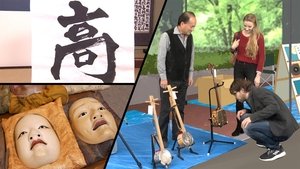
In this episode, we'll learn the phrase "Kore wa takai desu ne". "Kore wa takai desu" means "This is expensive". And when you put "ne" at the end, it becomes an expression used to seek consent or sympathy from the other person. Let's…
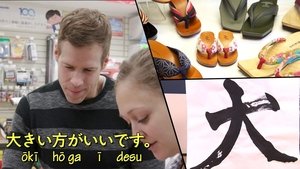
In this episode, we'll learn the phrase "hō ga īdesu". You can use this phrase to choose between 2 items in front of you. For example, you can use it when shopping. You can also use it to make a request. Let's check out the video for…
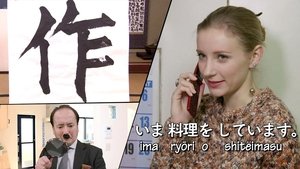
In this episode, we'll learn the phrase "teimasu". It's used to express an ongoing action. For example, "ima ryōri o shiteimasu". "Ima" means "now", and "teimasu" is likes the I-N-G verb-ending. First, we start with "shiteimasu", meaning…
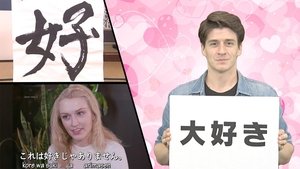
In this episode, we'll learn the phrase "ja arimasen". This is added to the end of a word to make it a negative. For example, the word for "to like" is "suki". But if we say "suki ja arimasen", it means "I don't like (something)". Let's…
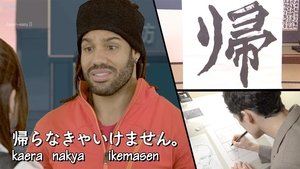
In this episode, we'll learn how to say "I have to ___" which in Japanese is "___ nakya ikemasen". Since this is the final episode of Japan-easy II, we need to say "kaera nakya ikemasen" which means "I have to go home". And for today's…