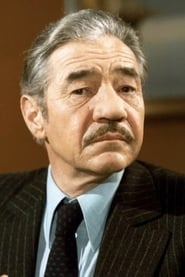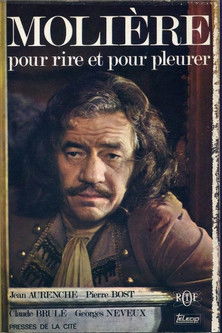
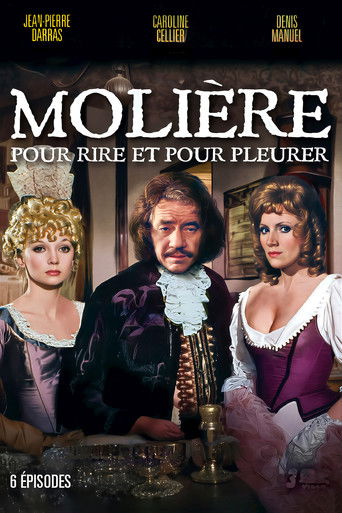
This miniseries approaches Molière not as a fixed icon, but as a man immersed in the cultural tensions of his time. It shows how his theatre emerges from direct engagement with reality: observing social environments, exposing hypocrisy, and confronting religious and political power. The narrative highlights the inner workings of a troupe, the material…
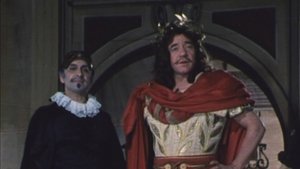
In 1642, Jean Poquelin, an ordinary upholsterer to the King, urges his son Jean‑Baptiste to become a lawyer. But Jean‑Baptiste is irresistibly drawn to the theatre — and to the actress Madeleine Béjart. Supported by her family, the young…
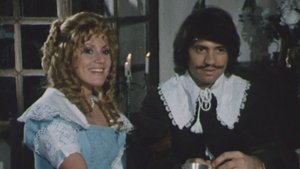
Faced with mounting debts and lukewarm reviews, Molière — newly self‑renamed — agrees to join the troupe of the aging Dufresne. It doesn’t take long before Dufresne entrusts him with its direction. Success follows. Back in Paris, eager to…
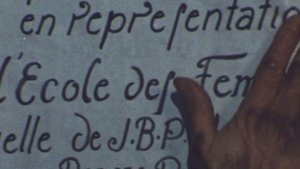
Molière triumphs with The Pretentious Ladies, but the farce causes embarrassment. His rivals, judging the satire far too realistic, manage to have Molière’s new theatre demolished. Yet they hadn’t counted on the favor of King Louis XIV.
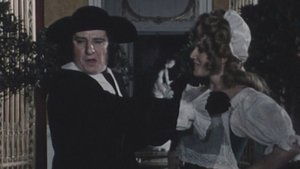
Molière found an ally in the person of the King. Both men were targeted and weary of the attacks from the “right‑thinking” members of the Catholic Church. So when Molière read the first three acts of Tartuffe to the King — a fierce…
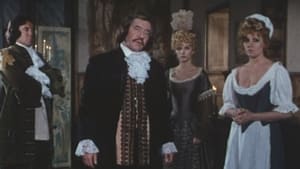
Molière moves from disappointment to disappointment. His plays fail to win unanimous praise, Racine — his treacherous friend — enjoys triumphant beginnings, and Armande’s jealousy grows. She reproaches him for neglecting her in favor of…
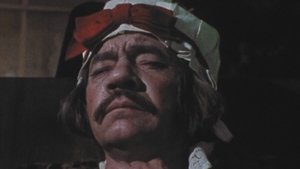
Jealous of Molière’s success, Lully tries to discredit him in the eyes of the King. Crushed by debt, the composer dreams of claiming Molière’s author royalties. Meanwhile, Molière — aged and greatly weakened — has withdrawn to the…