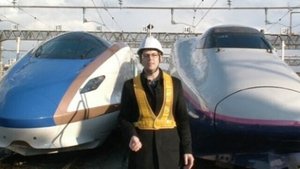
The devastating Earthquake damaged or destroyed 4,070km of the railways along the Pacific coastline of North Eastern Japan. See how the unique Bus Rapid Transit system helped to quickly restore vital transportation needs, and the latest…
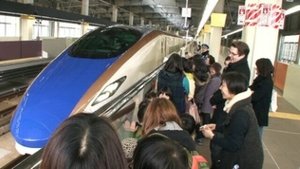
This month's Special Rail Report focuses on the latest addition to Japan's high-speed rail network that started mid-March. See the new Shinkansen W7 series in action, the measures taken to combat the snow on route across 450km of Japan,…
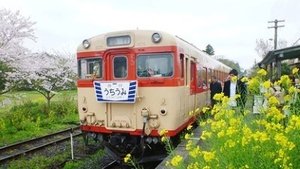
Most Third Sector railways are former nationally owned lines in rural areas that run at a loss. Recently, Isumi Railway decided on a new strategy to change this. In 2009, they opened their doors to the public to hire a president. They…
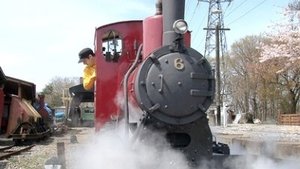
Japan's diesel hybrid trains use the very latest lithium-ion batteries. Compared to conventional diesel railcars, diesel hybrid trains reduce fuel consumption, carbon emissions and noise pollution. Join us for a ride on the eco-friendly…
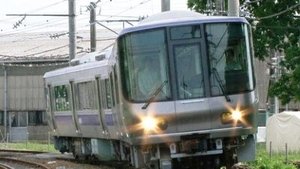
Battery-hybrid trains draw power from both contact lines and their onboard batteries, and they are gaining worldwide attention due to their eco-friendliness and energy-saving technology. See Japan's world-first lithium-ion battery train…
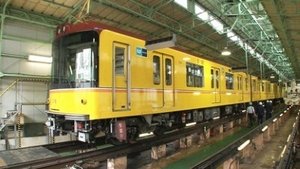
Japan's subways have a reputation for being energy-saving and eco-friendly, and companies have been successfully exporting their technology around the world. Discover why the permanent magnet motors in use on the Ginza Line's 1000 Series,…
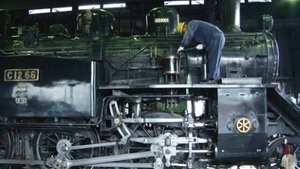
In Japan, regions operating preserved steam locomotives benefit from vital boosts to the local economy. Discover the secrets behind making these historic workhorses invaluable tourist attractions, and how the practice is gaining…
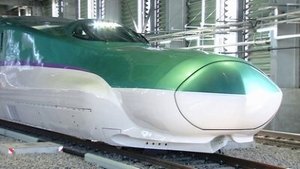
On March 26, 2016, the new Series H5 will enter service on Japan's latest shinkansen line, which runs through the world's longest undersea tunnel between Honshu and Hokkaido. Rena Matsui reports on the build-up to Hokkaido's first…
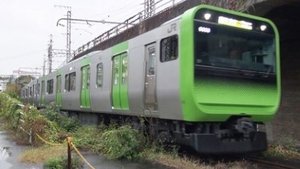
With trains making 650 round trips each day, the JR Yamanote Line is the artery of Tokyo's railways. On November 30, the new Series E235 entered service on the green-colored loop line, and is scheduled to replace all train sets by the…
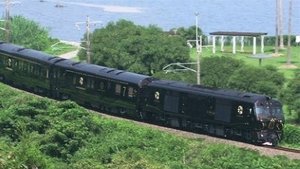
In recent years, "tourist trains" have become increasingly popular. With their unique Japanese designs, seasonal on-board cuisine and stopover excursions, more and more people are enjoying Japan's railways. The reason for this boom is the…
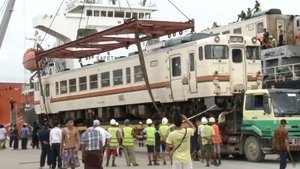
Used Japanese trains are being given a new lease of life in Southeast Asia. Demand for Japanese trains is high because they are air-conditioned, and are always well maintained. We follow a Series 205 on its way to its new home in…
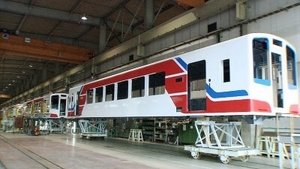
In March 2011, the Great East Japan Earthquake severely damaged the railway infrastructure in the Tohoku area. See some of the advanced safety measures that railway operators have been developing since then, such as the "early earthquake…
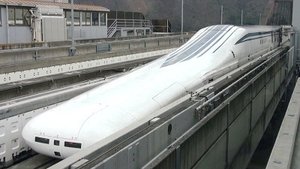
Traveling at 500km/h, the Superconducting Maglev will connect Tokyo to Nagoya in just 40 minutes and is planned to begin commercial service in 2027. To achieve such extreme speeds, magnetic levitation is used to lift the train 10cm above…

Ekiben, a word that combines eki, meaning station, and the ben from bento, are special boxed meals sold at stations and on trains all over Japan. Around 4,000 different kinds of ekiben are sold throughout Japan, and each one is packed…
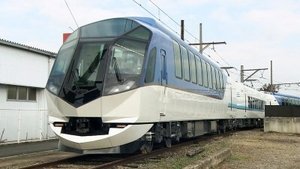
Kintetsu Railway's "Premium Express Shimakaze" is a popular tourist train that connects Osaka, Kyoto, and Nagoya to Iseshima.Through extensive market research (over 14,000 people were surveyed), the interior and concept were designed to…

The Wakayama Electric Railway's Kishigawa Line is a well-known local line for its cat stationmaster. Ever since "Tama" the cat was assigned as stationmaster, there has been a significant increase in the numbers of tourists, which resulted…
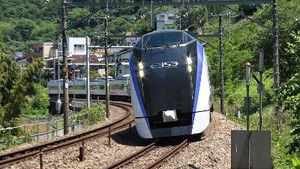
A new test vehicle scheduled to operate on the Chuo Conventional Line is currently undergoing performance evaluation and technical verification. Discover the evolution of an express train which operates through many curves using the…

Freight trains are making a change to improve the quality of their service. Implementations such as "modal shift" - a switchover from truck transport to freights, company dedicated freights for faster delivery, Japan's unique technology…
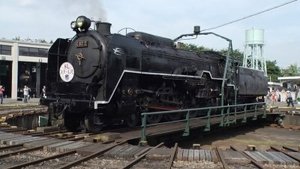
In April 2016, Japan's largest railway museum made its debut in Kyoto city. On display is a collection of 53 vehicles that symbolizes Japan's railway history which includes 23 steam locomotives, the very first Shinkansen, famous sleeper…
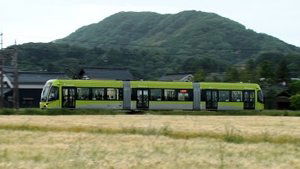
This program is all about the successive introduction of light rail vehicles (LRVs). Check out Fukui city's LRV under mutual direct operation between 2 railway companies, how Toyama city increased ridership by implementing LRVs onto a…
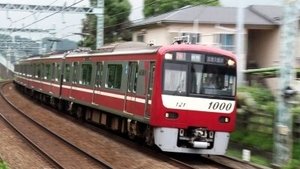
Keikyu operates in the suburbs of Tokyo, and is known for its frequent high-speed operations, direct through service with other lines and minimal train delays. Keikyu also uses the most human-centered system of all major Japanese railway…
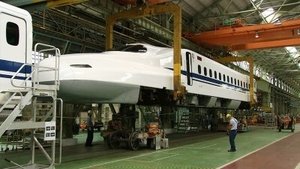
In 1964, the Tokaido Shinkansen was introduced as the "Dream Super Express". Since then, it has transported over 5.5 billion passengers. The almighty high-speed vehicle is known for its accuracy, which its delay time per car set is only…
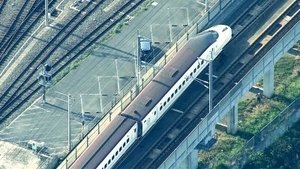
The magnitude 7 earthquake that struck Kumamoto Prefecture on April 14, 2016 severely damaged railways of Kyushu region. With many efforts, the Kyushu Shinkansen was back in full operation in 2 weeks but the third sector, Minamiaso…

East Japan Railway Company also known as JR East operates 4 preserved steam locomotives and is a popular attraction for tourists. Unfortunately, operating and maintaining locomotives are costly, and techniques developed over time such as…
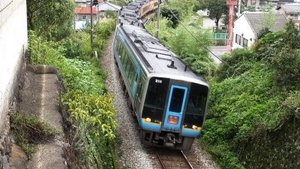
Due to the privatization from Japan National Railway, 6 Japanese Railway Companies were established almost 30 years ago. Shikoku Railway Company, also known as JR Shikoku is the smallest among the 6 and started off with financial…
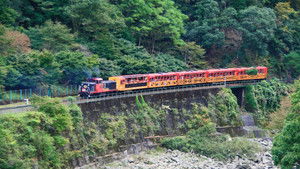
2016 sees the Sagano Scenic Railway in Kyoto mark its 25th year of operating tourist trolley trains that wind through a beautiful river gorge. The company started out with only 9 employees, who decided it would be good enough if the…
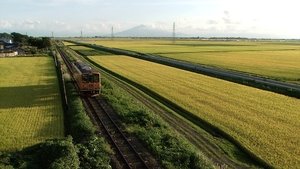
Tsugaru Railway is a local private railway that runs for 20.7km in Aomori Prefecture, in northern Japan. Its "Stove Train" is now a popular tourist attraction in winter, but 10 years ago the company narrowly escaped crisis when ridership…
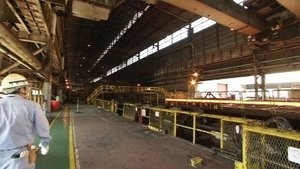
Japanese rails and train wheels are currently gaining worldwide attention due to wear and tear resistance and reliability. The durable rails are used for North America's freight trains that haul hundreds of cars which are stacked in 2.…
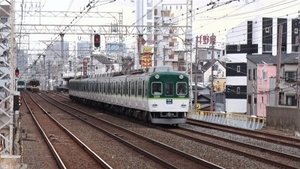
3 railways have been competing for dominance of the Osaka-Kyoto region since the 1920's. The Keihan Electric Railway's many S-curves made it the underdog against Japan Railway Company and Hankyu Railway, but after introducing advanced…
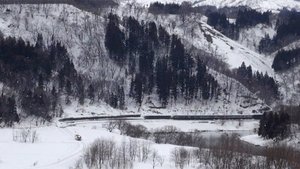
The Iiyama Line in Nagano Prefecture operates in one of Japan's snowiest regions. 7.85m of snow has been recorded along the line, which is the record among Japanese railways. Heavy snow is an obstacle that cannot be avoided in this…

Japan's high-speed rail system, the shinkansen, may soon be flying across the U.S., with plans to connect 2 major cities in Texas. Traveling between Dallas and Houston now takes up to 4 hours by car or plane, but with support from Tokaido…

There are currently over 100 tourist trains in service throughout Japan. Among the various companies operating tourist trains, the Kyushu Railway Company, also known as JR Kyushu, operates 11 unique tourist trains which helps endorse…

The Toden Arakawa Line is a streetcar service in the center of Tokyo. There are over 30 stops on the 12.2km line, and transports over 16.6 million people annually. Throughout the years, the line has operated as a means of local transport…

From high-speed Shinkansen to tourist trains operated by local railways, onboard trolley services are available on various trains, and is a unique service in Japan. In this program, we introduce various features of the trolley service…
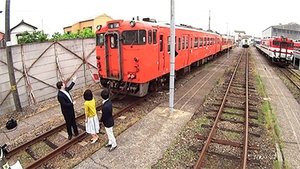
Series Kiha 40 diesel trains were mass-produced in the late 1970's, and were highly valued on non-electrified lines. These workhorses are made from durable mild steel, and even after the privatization of Japan National Railways and 40…
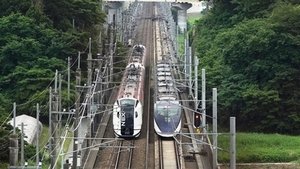
At Narita and Kansai International Airports, railways providing access into the city must constantly offer better services at lower prices to maintain their market share. JR East's "Narita Express" and Keisei Electric Railway's "Skyliner"…
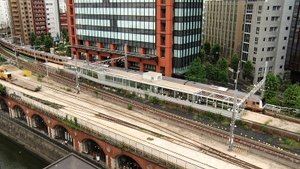
15 million people commute in and out of Tokyo every day, and most of them now use prepaid e-money cards. Because one card can be recognized by multiple transport companies, the system has streamlined automated fare collection. A card's IC…
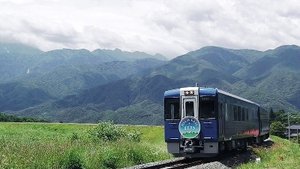
"HIGH RAIL 1375" is JR East's newest tourist train, which started operating in July 2017. The train runs on the JR Koumi Line through the mountains of Nagano and Yamanashi Prefectures; an area famous for its majestic alpine views and…
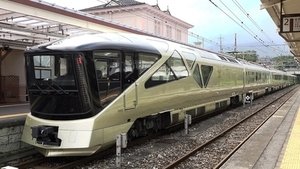
May 2017 saw the launch of JR East's new cruise train, "Train Suite Shiki-shima". "Cruise trains" are a new type of luxury train that stop at sightseeing spots in Japan. "Train Suite Shiki-shima" is Japan's second cruise train following…
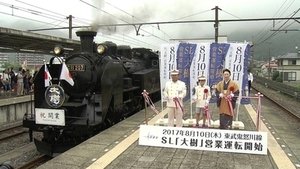
From August 2017, TOBU Railway started operating "SL TAIJU"; a tourist steam train and the first steam service on the railway for 50 years. TOBU Railway discontinued steam services in 1966, leaving them no equipment or facilities, so 8…
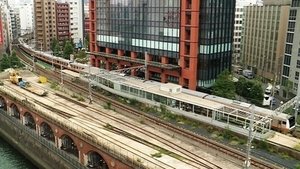
Preservation activities are ongoing for old stations and trains that contributed to the modernization of Japan, as they are a vital part of history. Recent examples include an old station in the heart of Tokyo renovated into a commercial…
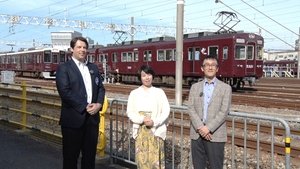
Hankyu Corporation in Osaka, Japan's second largest metropolitan area, has successfully increased ridership by using diversified business strategies along their railway lines; from developing residential areas and amusement parks, to…

1957 saw the opening of Japan's first monorail. 60 years on, Japan is a world leader in monorail technology with 11 lines currently in operation covering a distance of 100km. In this program, we take a look at how monorails have become an…
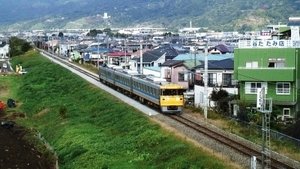
JR Central, which operates the Japanese high-speed "Tokaido Shinkansen", also operates 12 conventional lines totaling 1,420km. To ensure stable operation, state-of-the-art equipment is used for maintenance, such as the line inspection…
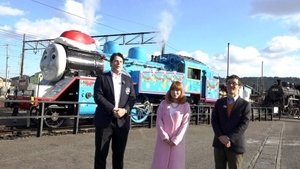
The Oigawa Railway began operating Japan's first preserved steam locomotive in 1976, and has been a pioneer in the field ever since. Now the company operates 4 steam trains that run more than 300 days a year. Join us as we discover the…
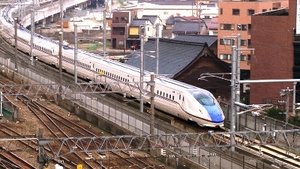
In 2015, the Hokuriku Shinkansen connected between Tokyo and Kanazawa. 3 years on, hotel construction around Kanazawa terminal is ongoing, tourist numbers have increased and the number of luxury liners stopping at Kanazawa Port has…

The 21-story "JR OITA CITY" complex, with over 200 stores, opened at JR Kyushu's Oita Station in 2015. Thanks to this new shopping complex, ridership has increased significantly, positively affecting shops and businesses in the area. See…

Enoshima Electric Railway is a 10km local line connecting Kamakura and Fujisawa Stations via Enoshima Station. About 18 million people visit the railway annually. Along the line are famous tourist destinations such as Kamakura and…

Tokyu Corporation introduced a new commuter train for the first time in 16 years - the stainless steel "Series 2020", which will operate on the Den-en-toshi Line. The interior has been greatly improved and the new train makes use of…
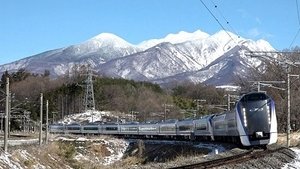
JR East's new Limited Express "Super Azusa", which operates between Shinjuku in Tokyo and Matsumoto in Nagano Prefecture, started service in December 2017. Discover how this express train has evolved, from the latest technology used to…
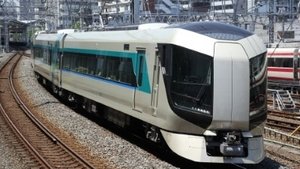
Tobu Railway's new limited express "Revaty", which runs toward Nikko, began service in 2017. A unique characteristic of the 6-car train is its ability to split into 2 separate 3-car trains which can head to different destinations. In an…
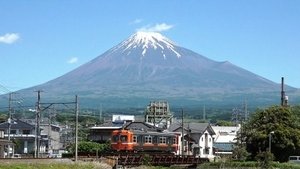
Gakunan Electric Train is a 9km private local railway which operates in Fuji City, in Shizuoka Prefecture. The train runs in the foothills of World Heritage Site Mt. Fuji, and it is promoted as having views of the mountain from every…
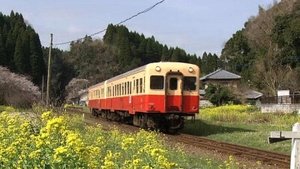
Kominato Railway is a 39.1km local line, half of which runs through the mountains in Chiba Prefecture. Unfortunately the line has fallen into the red. To combat this, the company began operating a trolley train to attract tourists. The…
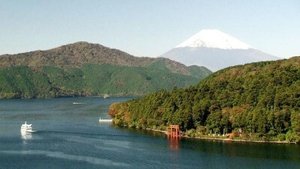
Hakone is located in Kanagawa Prefecture just west of Tokyo. A popular tourist destination, it attracts 21.5 million visitors every year. Many tourists from overseas use Odakyu Electric Railway to get to Hakone, and Hakone Tozan Railway…
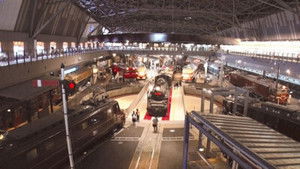
The Railway Museum in Saitama Prefecture boasts a large collection of trains dating back to the dawn of Japan's railway history. The museum is home to classic steam locomotives and commuter trains, as well as the high-speed Shinkansen.…
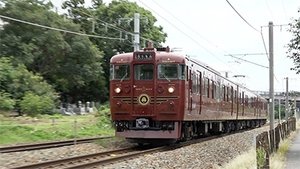
In 2016, Shinano Railway (a third sector company operating in Nagano Prefecture) welcomed an executive from a major insurance company as their new president. While the company is currently doing well, a decreasing population coupled with…
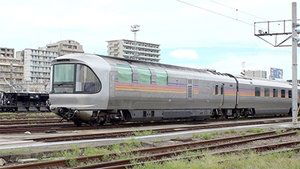
Unlike regular trains, chartered tour trains run to a timetable set by travel agents who create fun and interesting tours anyone can apply for. These unique tours make use of rare trains with features such as luxurious observation-style…
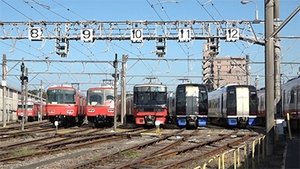
Nagoya Railroad is a 444km railway network operating across Aichi and Gifu Prefectures. With the privatization of JR Central in 1987, Nagoya Railroad faced heavy competition. Motorization also caused passenger numbers to fall, and in 2003…
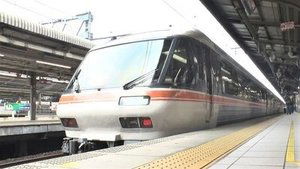
Although JR Central derives most of its income from the Tokaido Shinkansen, the company has developed other ways to attract tourists, such as the limited express "Wide View Hida" bound for Hida-Takayama, which has free wireless internet…
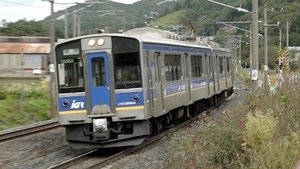
Iwate Galaxy Railway is a third sector company in Iwate Prefecture that has been finding new ways to boost ridership. While local railways in Japan face the challenges presented by an aging population, declining birthrate, and an…
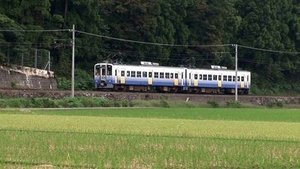
Echizen Railway is located in Fukui Prefecture just north of Kyoto. In the days prior to Echizen Railway, the line experienced 2 accidents which caused operations to cease. However, demand from local residents saw the line re-open as a…
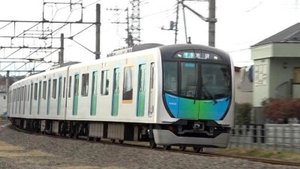
Seibu Railway operates between western Tokyo and Saitama Prefecture. Facing an aging population and a declining birthrate, the company is working to attract visitors to the Chichibu region of Saitama Prefecture. To that end, the company…

New Year is a special time in Japan with many unique traditions. There are special postcards and special foods, visits to shrines and temples, and even special trains. In this episode, see the "Hatsumode Train" operated by Kintetsu…
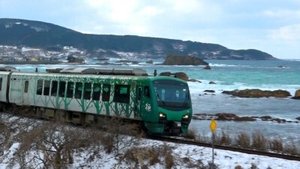
JR East's Gono Line, which runs between Akita and Aomori Prefectures, currently boasts 3 popular tourist trains with the name "Resort Shirakami," attracting more than 100,000 passengers annually. Once facing discontinuation, the line has…
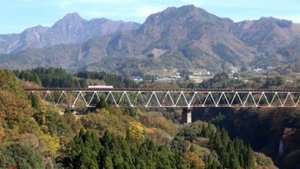
Amaterasu Railway was a third sector company located in Takachiho Town in the northern part of Miyazaki Prefecture. However, in 2005 the line was severely damaged by a typhoon causing all services to cease. Following the closure, local…
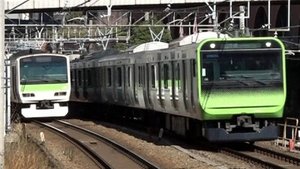
The JR Yamanote Line is a 35km loop line that runs around central Tokyo carrying 3.5 million passengers per day. During the morning rush hour, 48 trains operate every 2 minutes, the punctual operation of which is overseen from an…
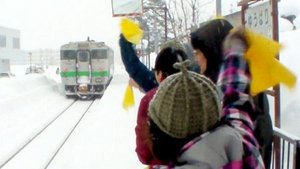
On April 1, 2019, the Yubari branch of JR Hokkaido's Sekisho Line is sadly coming to an end. Back in the days, Yubari was a prosperous mining town and the line was a major route for transporting coal. But from the 1970's the mines began…
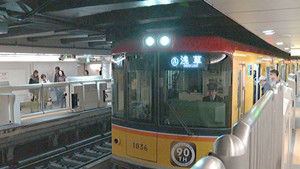
Tokyo Metro operates 9 subway lines with a network stretching a total of 195km. Connecting to a number of main stations in Tokyo on both private and JR lines, Tokyo Metro carries 7.4 million passengers and makes 5,700 trips per day. To…

Nishi-Nippon Railroad's first tourist train "The Rail Kitchen Chikugo" began operating in March 2019 in the Kyushu region. The train, which is a showcase of traditional craftsmanship, features an open kitchen where a variety of dishes…
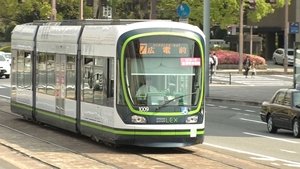
Since the 1960's Japan's streetcar numbers have fallen into decline due to an increase of cars, subways, and railway lines. However, to meet the aging population's need for safe and convenient public transport, streetcars have been making…
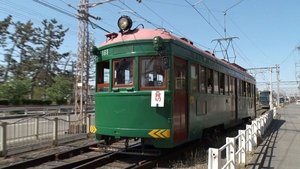
With a history of more than 100 years, Hankai Tramway, which connects Osaka City and Sakai City, is the only tram operator in Osaka Prefecture. With 2 other companies connecting the cities, Hankai Railway's ridership fell into decline,…
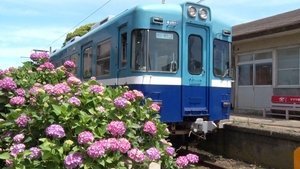
Choshi Electric Railway operates a 6.4km line in Chiba Prefecture. This beloved local line services around 20,000 people who live in the area. However, with a low population and a declining birthrate the line has been in constant danger…
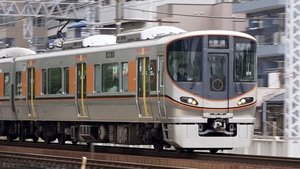
JR West's Osaka Loop Line is the main artery for public transport in Osaka. 13 of the line's 19 stations connect to subways and major private railways. Unfortunately, there were complaints that the stations are now too old and…
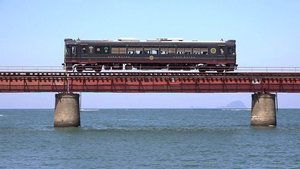
Kyoto Tango Railway is a 114km line located along Amanohashidate, one of the 3 most scenic spots in Japan. Once the most in deficit railway company in Japan, it is now managed by the Willer Group, a long-distance bus operator. Through a…
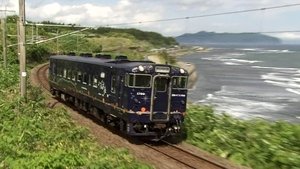
South Hokkaido Railway is home to a popular tourist train. A third sector company, South Hokkaido Railway began operation in 2016 with the opening of the Hokkaido Shinkansen. With limited resources, the railway asked a major tour company…
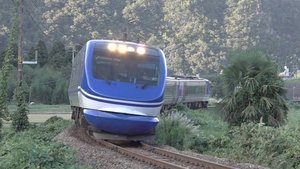
Chizu Express is a third sector local railway, which runs 56.1km through the Chugoku Mountains between Tottori and Hyogo Prefectures. From the beginning, the railway was constructed for high-speed operation. While many third sector…
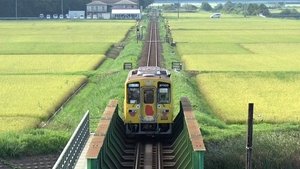
Hitachinaka Seaside Railway in Ibaraki Prefecture opened in 2008. When it began operation, the 14.3km railway had a ridership of less than 700,000. Now, ridership exceeds 1 million annually. Making a profit in 2017, the company now plans…
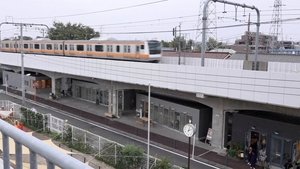
"Ekinaka" refers to the shops and facilities that are usually found inside the station. Now JR East is expanding on that concept, developing the viaducts beneath the Chuo Line in a project they are calling the "Chuo Line Mall." Utilizing…
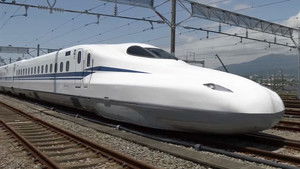
JR Central's long-awaited next-generation Shinkansen; the N700S is scheduled to begin operation in summer 2020. The new N700S makes use of state-of-the-art technology to enhance safety, convenience, and comfort. Changes include the…
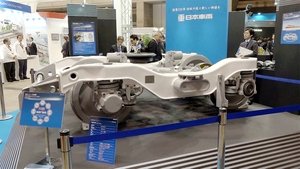
Railway companies in Japan are shifting toward the use of artificial intelligence and IoT systems to improve services. Responding to the increasing number of retiring railway employees and support staff, Japanese railways are finding new…
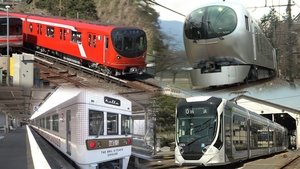
Many new express, commuter and tourist trains, as well as trams, began service in 2019. Join us as we take a look back at the trains and trends. See the innovative designs of Seibu Railway's "Laview" and the "Series 2000" on Tokyo Metro's…
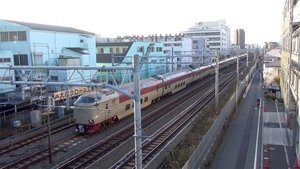
Once an icon in Japan, sleeper trains (commonly known as "blue trains") disappeared in the wake of faster and more convenient modes of transport. Sunrise Seto and Sunrise Izumo are now the only sleeper trains still in regular service. The…
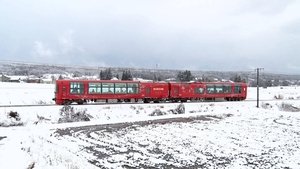
Echigo Tokimeki Railway in Niigata Prefecture started service in 2015, coinciding with the opening of the Hokuriku Shinkansen. However, due to a drop in passenger numbers, the company is currently 490 million yen in debt. The railway's…
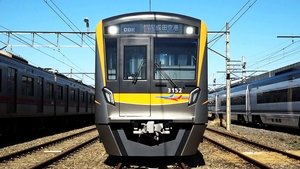
With the Tokyo 2020's big events fast approaching, visitors from around the world are expected to enter Japan through Tokyo's 2 international airports. JR East's "Narita Express" and Keisei Electric Railway's "Skyliner" service Narita…
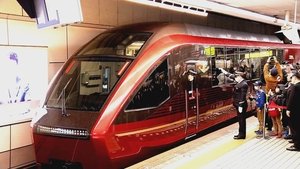
Kintetsu Railway (known as the "kingdom of limited express trains") introduced the new "Series 80000 Hinotori," which operates between Osaka and Nagoya in March 2020. With comfort in mind, see how Kintetsu Railway developed its luxurious…

For the first time in almost half a century, a new station was added to the JR Yamanote Line. Takanawa Gateway Station is located between Shinagawa and Tamachi Stations. This new station is part of a redevelopment project that includes…
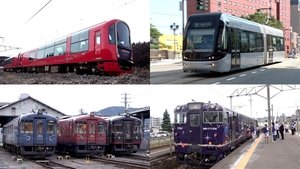
Across Japan there are 95 local railways, many of which are now struggling to survive. The aging population, a declining birth rate, an increase in motorists and the poor financial situation of local governments has made things difficult…
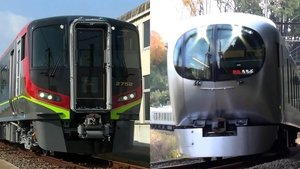
Established in 1953, the Japan Railfan Club (which has more than 3,000 members) awards its "Blue Ribbon Prize" and "Laurel Prize" to outstanding new vehicles that began service the previous year. From the 16 new vehicles nominated in…
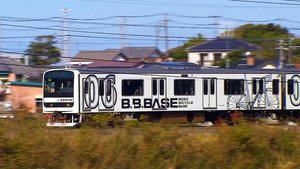
JR East's cycle train, which stopped running due to the coronavirus pandemic, resumed operation from July. B.B.BASE (Boso Bicycle Base) began service in 2018. Noticing an increase in cyclists, JR East's Chiba branch decided to develop a…
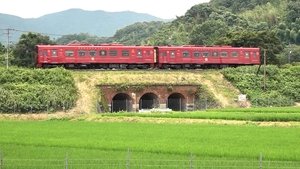
Heisei Chikuho Railway is a third sector railway in Fukuoka Prefecture. In 2018, they began operating "Japan's slowest tourist train," serving French cuisine made from fresh local produce onboard. Unfortunately, this service was…
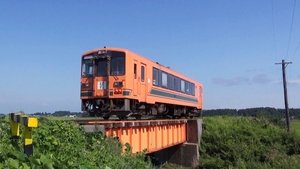
Celebrating its 90th year, Tsugaru Railway in Aomori Prefecture runs by many popular tourist spots, and the railway's "stove train" is also a popular tourist attraction in winter. However, the impact of the coronavirus has caused sales…
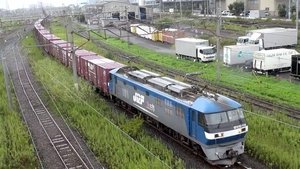
In March 2020, JR Freight opened a large-scale distribution center, "Tokyo Rail Gate West." This center was set up as an all-in-one facility to store and transport goods easily and efficiently in response to a nationwide shortage of…

Internationally acclaimed industrial designer Mitooka Eiji is Japan's leading designer of railway vehicles. He has worked on more than 40 trains across Japan, including the luxury cruise train "Seven Stars in Kyushu" and JR Kyushu's…
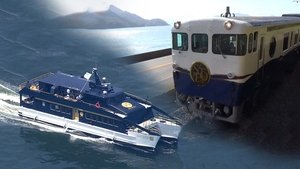
JR West is developing new services in response to lifestyle changes brought about by the coronavirus pandemic. One service involves the idea of a "workcation." JR West is now experimenting with packages that enable people to travel, stay…
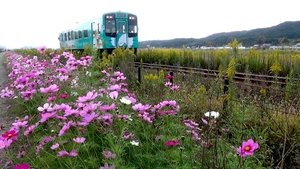
The 67.7km Tenryu Hamanako Railroad in Shizuoka Prefecture is a third sector railway that connects 5 cities and 1 town. The railway is famous for its railway heritage, remnants of which can be found along the line, such as a turntable and…
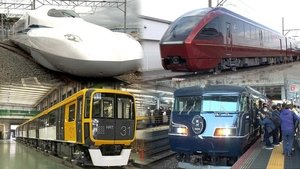
Many new express, commuter and tourist trains, as well as a sleeper train, began service in 2020. See the latest express trains, including the Tokaido Shinkansen "N700S," Kintetsu Railway's "HINOTORI" and JR East's luxurious "SAPHIR…
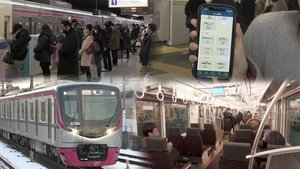
The coronavirus pandemic has changed the way people live and work. While many people are now working from home, many others are still commuting to work. Because of this, several companies have begun working on solutions to reduce crowding…

Moka Railway, which runs between Shimodate Station in Ibaraki Prefecture and Motegi Station in Tochigi Prefecture, began operating their tourist train, a Class C12 steam locomotive, in 1994, and opened the museum for retired steam engines…
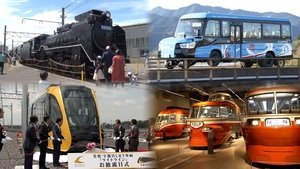
Across Japan, NHK has been covering a wide range of railway-related news. Join us as we take a look at the news from January to June 2021. See the efforts and ideas implemented by railway companies to survive the pandemic, the…
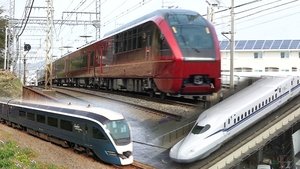
The Japan Railfan Club, established in 1953 with more than 3,000 members, awards its Blue Ribbon Prize and Laurel Prize to remarkable vehicles that began service the previous year. Of the 16 new vehicles nominated in 2021, Kintetsu…

In April 2021, Odakyu Electric Railway opened its Romancecar Museum. The museum features 5 generations of Romancecars, including the 3000 SE series, which set the world record for the fastest narrow-gauge speed (145km/h) in 1957 (a…
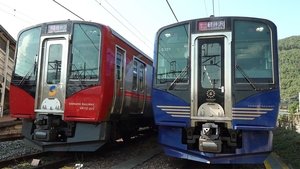
In Nagano Prefecture, third-sector Shinano Railway came up with a unique strategy to replace their old trains. Investing half of received funds, they gave the remaining half back to their supporters, offering rides on their tourist train,…
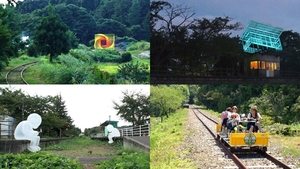
Currently, many places in Japan are utilizing discontinued railways such as tracks and station buildings to revitalize their local community. Visitors can enjoy trekking along a discontinued line or riding a preserved train on the…
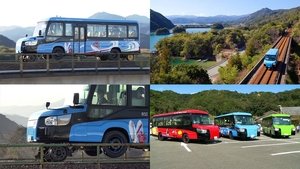
Third-sector Asa Coast Railway, which runs between Tokushima and Kochi Prefectures in the Shikoku region, has introduced what may be the world's first dual-mode vehicle (DMV) in an effort to revitalize the region and attract tourists. The…

The JR companies have been working on ways to use the shinkansen to provide freight services to compensate for lost passenger revenue. JR East, in particular, began experimenting with the Tohoku Shinkansen in 2017 before expanding to…
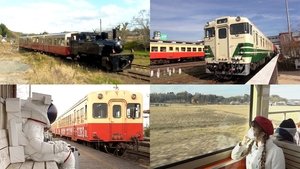
Kominato Railway is a 39.1km rural railway that operates in Chiba, the prefecture next to Tokyo. Unfortunately, damage caused by a typhoon in 2019 and the subsequent pandemic caused sales revenue to drop significantly. Now, the railway is…
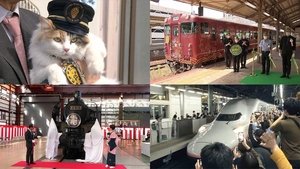
See railway-related news from across Japan, covered by NHK from July to December 2021. Join us as we take a look back at post-pandemic measures implemented by railway companies, fun tourist trains, as well as new trains, and say goodbye…

Ekiben (a word that combines the Japanese words for station and boxed meal) are sold at stations and on trains throughout Japan. Unfortunately, the coronavirus pandemic, which affected ridership on railways across Japan, including the…

Konan Railway operates in one of Japan's snowiest regions, Aomori Prefecture. For the people who live there, heavy snow is unavoidable. For the railway, clearing the snow is crucial to maintaining scheduled operations. To combat the snow,…
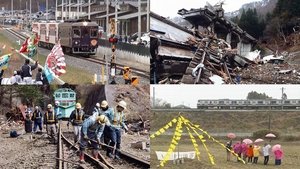
On March 11, 2011, the Great East Japan Earthquake struck, causing severe damage to railways along the Pacific coast. Sanriku Railway in Iwate Prefecture resumed partial service just 5 days after the quake. JR East's Kesennuma Line and…
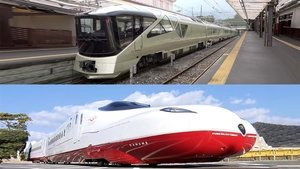
In recent years, the Japanese railway industry has seen the introduction of many unique trains designed by famous designers. These new trains were made possible thanks to rolling stock manufacturers and parts suppliers coming together to…
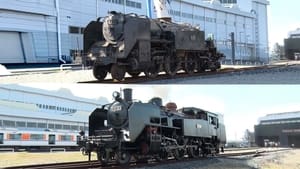
Tobu Railway operates 12 routes in the greater Tokyo area and runs a tourist train pulled by SL Taiju steam locomotives in Tochigi Prefecture. Until now, Tobu Railway ran 2 steam locomotives, however, to enhance the operation of the…
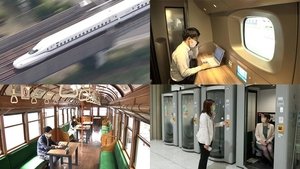
The pandemic has accelerated the trend of remote work and web conferences, but this has led to a decrease in commuting and business trips. To make a comeback, JR companies are offering share offices and spaces inside station facilities,…
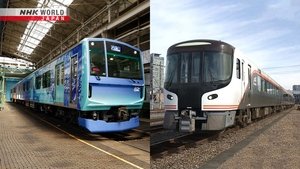
Japan has committed to becoming carbon neutral by 2050. To honor this commitment, Japan's railway companies have begun various initiatives to reduce greenhouse gas emissions. JR East is now testing a hydrogen hybrid train powered by fuel…
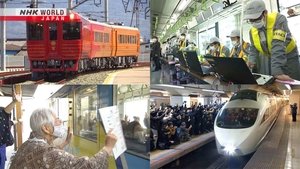
See railway-related news from across Japan, covered by NHK from January to June 2022. Join us as we look back at evolving railways, popular tourist and commemorative trains, the last run and a train given a second chance. For evolving…
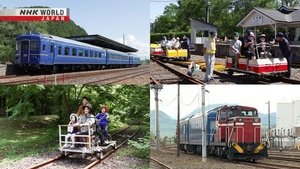
In recent years, there's been a move to utilize discontinued railways as tourism resources. Kosaka Railroad in Akita Prefecture (which connected Kosaka Town and Odate City) was used to transport ore and carry passengers before it was…
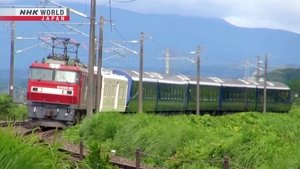
Since JR Kyushu's "Seven Stars in Kyushu" debuted in 2013, railway companies have seen trains as tourism resources and begun running luxury tourist trains. With their close ties to the region, tourist trains also help revitalize the areas…
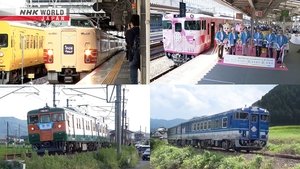
The Okayama Destination Campaign - one of Japan's most extensive tourism campaigns, ran in Okayama Prefecture from July to September 2022. During the campaign, there were many interactive events, but the highlight was the revival and…
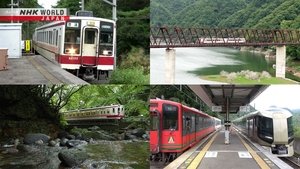
Yagan Railway is a third-sector railway that started service in 1986, operating between Shin-fujiwara Station in Tochigi Prefecture and Aizukogen-ozeguchi Station in Fukushima Prefecture. Yagan Railway is located between Tobu Railway and…
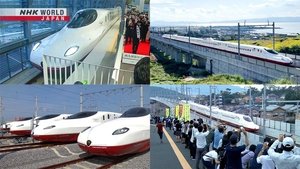
One of the biggest news in the railway industry this year is the opening of JR Kyushu's Nishi Kyushu Shinkansen. Making its debut on September 23, the 66km line runs between Takeo-onsen Station in Saga Prefecture and Nagasaki Station in…

The JR Tadami Line connecting Fukushima and Niigata Prefectures is known for its spectacular views. However, in July 2011, heavy rain washed away the bridges and tracks, resulting in the suspension of service on a section of the line.…
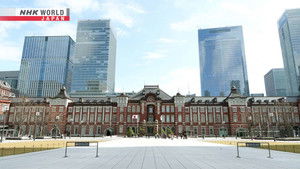
This year marks the 150th anniversary of Japan's railway system. Tokyo Station - the heart of the network is a hub station that provides access to various destinations. Tokyo Station is the first station for all Japanese railways,…
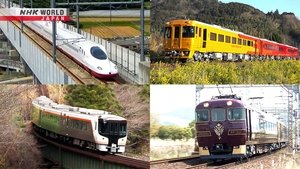
Thirteen new trains, including express, commuter and tourist trains, made their debut in 2022. Compared to last year, many tourist trains started service despite the pandemic, such as trains that transformed the common area into a lounge…
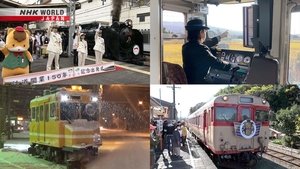
Japan's railway-related news, covered by NHK from July to December 2022. Join us as we look at news celebrating the 150th anniversary of the railway, rural railways that are recovering from the pandemic and advances being made in the rail…
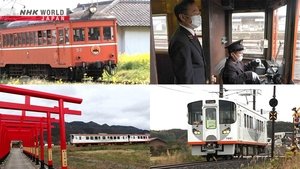
In 2022, Ichibata Electric Railway in Shimane Prefecture celebrated its 110th anniversary. The railway is a vital means of transportation for locals, as well as a popular sightseeing route for tourist spots along the line. However,…
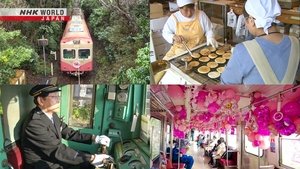
Many railway companies have suffered during the pandemic, but the Choshi Electric Railway in Chiba Prefecture made a profit for the first time in six years in 2021. This is because 80% of their sales come from non-train operations, such…
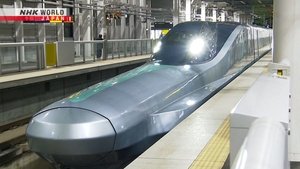
JR East is working to reduce travel times by increasing the speed of the Tohoku Shinkansen to attract tourists and revitalize the region. The company is currently conducting tests using its test vehicle, the ALFA-X. They aim to realize a…
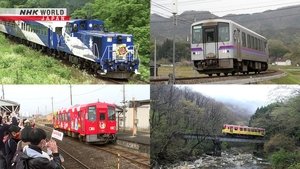
Passenger numbers for local railway lines across Japan continue to fall as the population declines and more people opt to drive, putting pressure on railway company profits. In April 2022, JR West announced the income and expenditure…
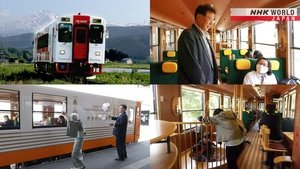
Yuri Kogen Railway, a third-sector railway in Akita Prefecture, averaged just 508 passengers per day in 2022 (a result of the declining population along the line). To increase passenger numbers and therefore boost revenue, the railway's…
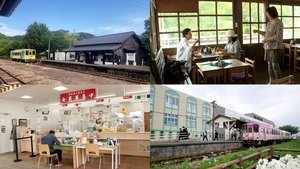
Passenger numbers for local railway lines across Japan continue to fall as the population declines and more people opt to drive. Stations, meant to be hubs of vitality, are also seeing numbers fall. In response, private companies, NPOs…
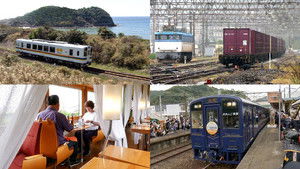
Kagoshima Prefecture has been working to subsidize third-sector Hisatsu Orange Railway with support from all 43 of its municipalities, including those not serviced by the railway. The subsidies cover the cost of maintaining facilities…
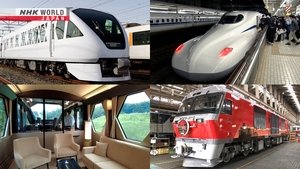
See railway-related news from across Japan, covered by NHK from January to June 2023. See recent "Railway Events," the introduction of "New Rolling Stock," and "New Initiatives" being employed by the railway industry. In "New Rolling…
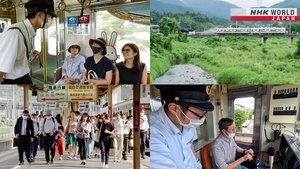
Located in the Tohoku region of Japan, the Iizaka Line is a small privately-owned railway line in Fukushima Prefecture that connects Fukushima City to Iizaka Onsen. Operated by the railway division of a bus company, the 9.2km 12-station…
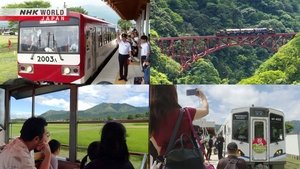
Severely damaged by the Kumamoto Earthquake in April 2016, Minamiaso Railway finally resumed full operation after seven years and three months, in July 2023. Of the 17.7km line, 10.6km was destroyed, including bridges. At the time,…
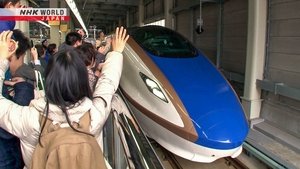
With the extension of the Hokuriku Shinkansen from Kanazawa to Tsuruga, the line will gain six new stations. The local governments along the line are eagerly awaiting the extension as improved access to the Tokyo Metropolitan area is…
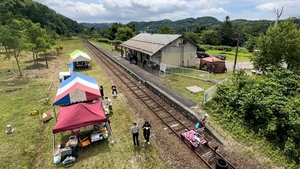
In recent years, JR Hokkaido has had to close a number of unprofitable lines as they became more and more difficult to maintain. Now, local residents and businesses are finding new ways to utilize the discontinued lines and facilities.…
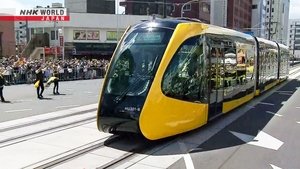
On August 26, a new streetcar "Haga Utsunomiya LRT" opened in Tochigi Prefecture. LRT is a next-generation transportation system that uses low-floor vehicles. See the current status and challenges.
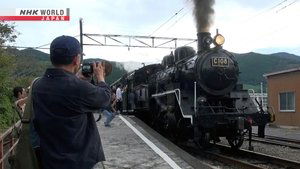
Oigawa Railway in Shizuoka Prefecture was the first to revive steam locomotives in Japan. See how the company has continued to operate despite typhoon damage and the pandemic.
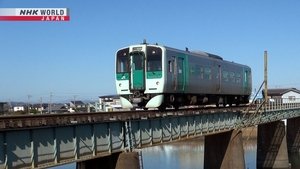
JR Shikoku has suffered continued losses due to population decline and the expansion of a highway. See the initiatives the company is taking to aid recovery and revitalize the region.
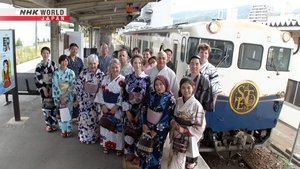
Railway news from the latter half of 2023. Join us as we see various railway-related events post-pandemic, new initiatives by railway companies, the unveiling of new vehicles and more.
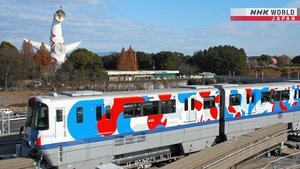
Monorails, which make use of the space above public land, are gaining attention as safe and economically efficient modes of transportation. Explore Japan's world-class monorails.
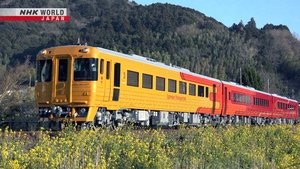
In 2023, Japan Railway Journal showcased 10 tourist trains running throughout the country. Join us as we examine the results of an online poll about these trains.
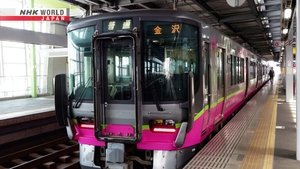
Hapi-Line Fukui is a parallel conventional line that opened alongside the Hokuriku Shinkansen, running between Kanazawa and Tsuruga. See how the company plans to face its financial challenges.

The new Yamagata Shinkansen Series E8, which has unique features inspired by Yamagata Prefecture, made its debut in March 2024. See the efforts being made along the line to attract passengers.
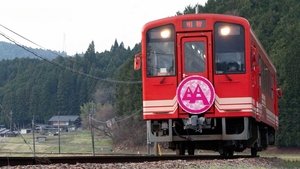
This year marks the 90th anniversary of the Akechi Line, now third-sector Akechi Railway, in Gifu Prefecture. See how the railway continues to operate with local support despite financial challenges.
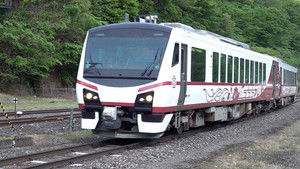
Iwate Prefecture is home to a number of unique railways and popular tourist trains. See the different initiatives JR and Iwate are taking to increase railway tourism.
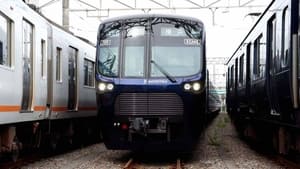
The Shin-Yokohama Line, run by Sagami Railway and Tokyu Railways in the Greater Tokyo Area, opened in 2023. See the extensive rail network created by opening the through service.
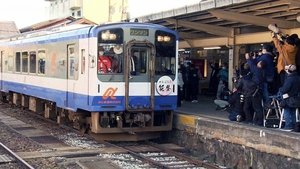
Railway news from the first half of 2024. See the railway lines restored after the Noto Peninsula earthquake, various new trains, railway events and more.
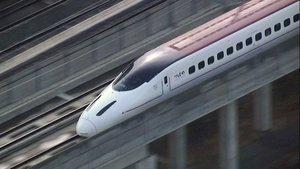
A recent design trend on the rise is the use of traditional craftsmanship in railway cars, from tourist trains to commuter vehicles. See how this design trend is transforming Japan's trains.
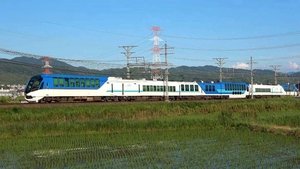
As luxury tourist trains gain attention, Kintetsu Railway is popularizing its sightseeing limited express trains with affordable fares. See how the company is using its express network for tourism.
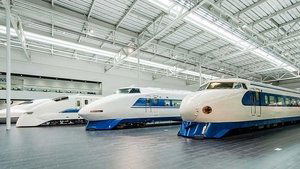
This year is the 60th anniversary of the Tokaido Shinkansen, the world's first high-speed rail! Join us as we look back on the railway's continued efforts to increase speed.
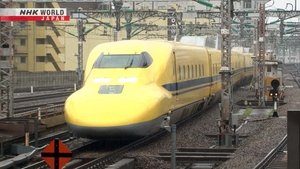
This year is the 60th anniversary of the Tokaido Shinkansen, the world's first high-speed rail. See how maintenance technologies evolved to keep up with the development of high-speed transportation.
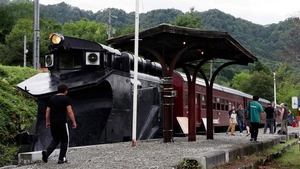
Retired railway cars often end up in museums or parks to be appreciated after their service. However, some are abandoned, unable to be maintained. See the preservation efforts being made in Hokkaido Prefecture.
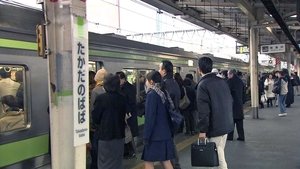
Departure melodies are musical versions of traditional train departure signals like bells. Join us as we take a look at this unique aspect of Japanese railway culture.
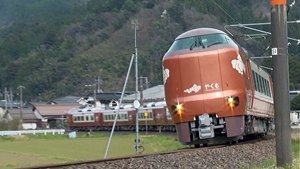
After 42 years, JR West's Limited Express Yakumo has been renewed, boldly redesigned inside and out, with improvements made to the comfort and ride quality. Join us as we feature the new Yakumo.
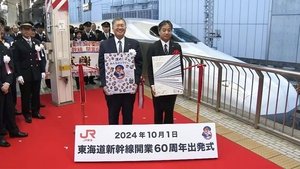
Railway news from the latter half of 2024. Join us as we look back on the Tokaido Shinkansen's 60th anniversary, the introduction of new vehicles and more exciting railway news from across Japan.

Private railway companies in Greater Tokyo are redeveloping areas along their lines. See how they are focusing on community growth over more traditional developer-led models.

Despite the rise of transfer apps, around 100,000 timetables are printed each month. Discover the charm of Japanese train timetables as we speak to the editors and the foreign residents who use them.
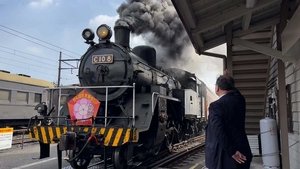
In June 2024, Torizuka Akira became Oigawa Railway's new president. With half the line still closed due to typhoon damage, see how the company is striving to recover.
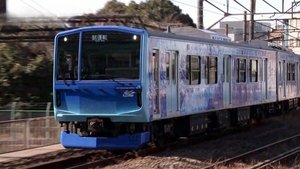
Across the country, Japan's railways are working towards a shared goal: carbon neutrality. See the efforts being made to shift away from diesel power and to improve energy efficiency overall.
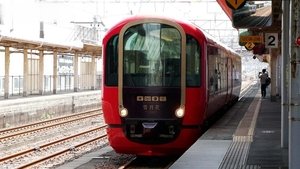
Echigo Tokimeki Railway and Hokuetsu Express, both third-sector railways in Niigata Prefecture, have struggled since the Hokuriku Shinkansen was extended to Kanazawa. See their efforts to survive.
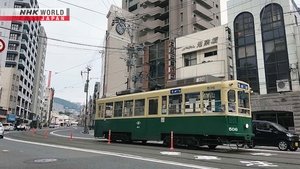
2025 marks the 110th anniversary of Nagasaki Electric Tramway, which has long been a vital means of transportation for both residents and tourists. Discover the charm of Nagasaki's streetcars.
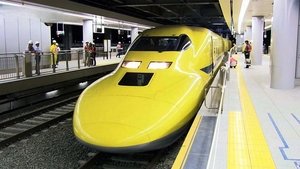
Railway news from the first half of 2025. From new technologies to farewell runs, join us as we take a look at the latest railway trends and major stories from across Japan.
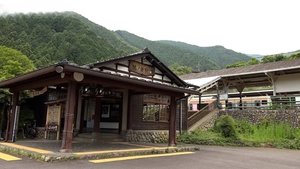
A unique project along Tokyo's JR Ome Line is turning the area's empty homes into "hotel rooms" - with one station currently acting as the "front desk." See how tourism is revitalizing the community.
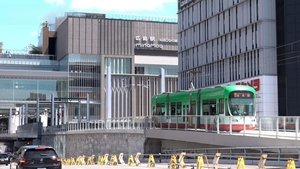
In March 2025, a new shopping complex opened inside Hiroshima Station, and in August, trams began running from the second floor. See how this bustling new city hub is being developed.
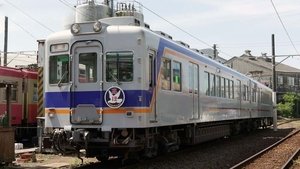
Choshi Electric Railway in Chiba Prefecture posted its first loss in four years, as reported in June 2025. See the company's plans to survive this time, following its previous triumphs over crises.
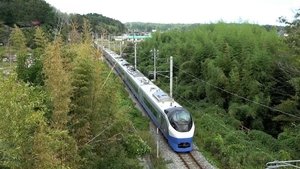
The JR Joban Line, severely damaged by the Great East Japan Earthquake in 2011, fully reopened in 2020. See how station areas in Fukushima Prefecture are being redeveloped along the restored route.
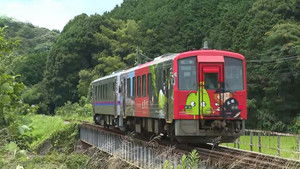
The JR Geibi Line has begun running extra trains as talks commence regarding the line's future. See the local governments' response to the added trains and their efforts to keep the line open.
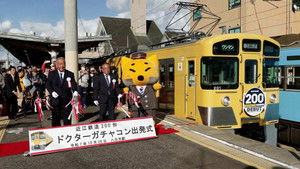
Amid financial struggles, local railways are increasingly turning to vertical separation (dividing the ownership of infrastructure and operations) in order to survive. See how it works in practice.

Recently, many railway companies have been adopting AI to improve efficiency and safety. See examples from Mass-Trans Innovation Japan 2025 that show how AI is being applied across the industry.
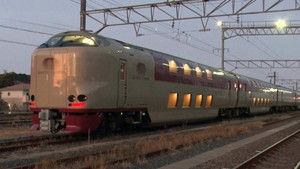
With the expansion of the Shinkansen, Japan's night trains all but disappeared. Now, the last remaining sleeper expresses, along with a new night train, are trending once more. We take a closer look.

Railway news from the latter half of 2025. Join us as we look back on new railway vehicles, cutting-edge technologies, commemorative events and more from across Japan.
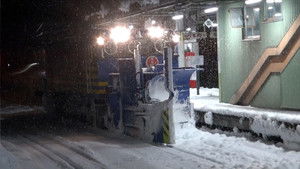
In regions that experience heavy snowfall, railways use snowplows in combination with other systems to keep the trains running. See how the railways maintain service in Japan's snow country.
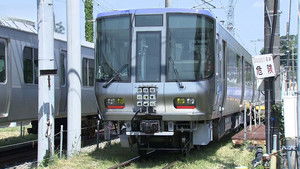
Railway Technical Research Institute leads R&D for Japan's railways, from the JR companies to smaller regional lines. See the cutting-edge research that's shaping the future of rail transport.
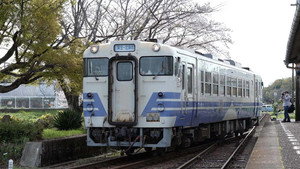
Hojo Railway in Hyogo Prefecture managed to boost ridership with the introduction of volunteer stationmasters and an old, beloved diesel car. See how this regional railway is working to stay on top.
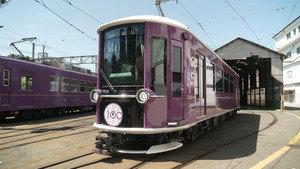
Every year, the Blue Ribbon and Laurel Prizes honor the finest newly built and redesigned trains. Meet the winners for 2026!
Railway news from across Japan for the first half of 2026. Join us as we look back on milestones and anniversaries, efforts to preserve and revive steam locomotives, and railway events.