COLLECTION · Series · 1994
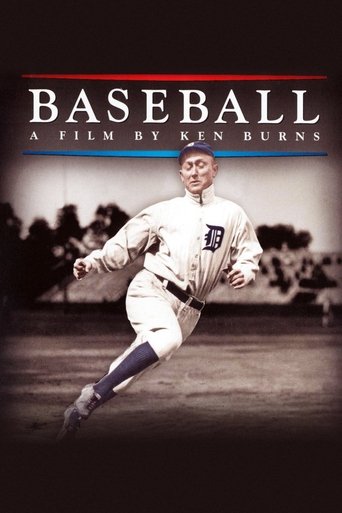
Baseball
The history of the sport of baseball in America, told through archival photos, film footage, and the words of those who contributed to the game in each era. Writers, historians, players, baseball personnel, and fans review key events and the significance of the game in America's history.
Source: TMDB
* 7.5 (44)DocumentaryUnited States
Countries
United States
Studios
PBS · Florentine Films · WETA
Runtime
103 min/ep
Age rating
TV-PG
Release
18/09/1994
Score
7.5 / 10 (44)
Where to watch
 Apple TV Store
 Google Play Movies
Seasons and episodes
Specials
3 episodes · 2007
Episode 1. The Making of Baseball
2007-10-17 · 103 min
The making of Ken Burns' Baseball
Episode 4. Back to the Ballpark
2010-09-30 · 17 min
An interview with Ken Burns and Lynn Novick
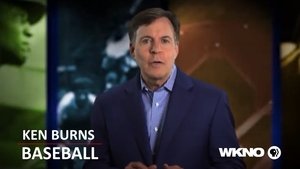
Episode 5. Ken Burns: Baseball
2021-06-05 · 90 min
Bob Costas presents an inside look at the making of "Baseball," including interviews with Ken Burns and Lynn Novick, and insight into the impact "Baseball" had on America.
Miniseries
9 episodes · 1994
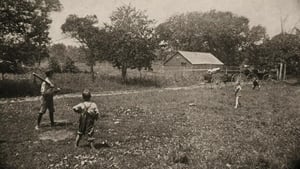
Episode 1. Inning One: Our Game
1994-09-18 · 113 min
In New York City, in the 1840s, people need a diversion from the "railroad pace" at which they work and live. They find it in a game of questionable origins. On June 19th, 1846, at the Elysian Fields in Hoboken, New Jersey, a team of…
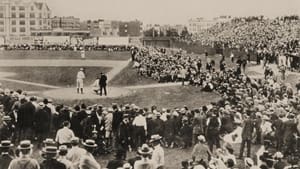
Episode 2. Inning Two: Something Like a War
1994-09-19 · 104 min
It is a decade of revolution. In China, in Central America. At Kitty Hawk. In Henry Ford's factory. And on America's baseball fields. In 1894, a sportswriter named Byron Bancroft "Ban" Johnson takes over a struggling minor league - the…
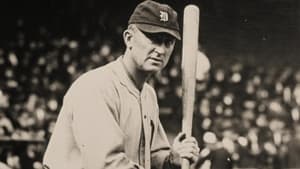
Episode 3. Inning Three: The Faith of Fifty Million People
1994-09-20 · 118 min
Examine the century's second decade, which was dominated by the Black Sox scandal. George Herman “Babe” Ruth makes his first major league appearance (as a member of the Boston Red Sox) and a wave of immigration helps fill the stands with…
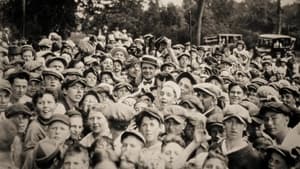
Episode 4. Inning Four: A National Heirloom
1994-09-21 · 111 min
This episode concentrates on Babe Ruth, whose phenomenal performance thrilled the nation throughout the 1920s and rescued the game from the scandal of the previous decade.
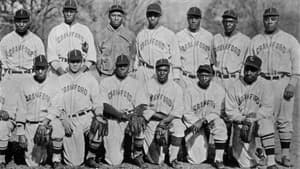
Episode 5. Inning Five: Shadow Ball
1994-09-22 · 120 min
The story of the Negro Leagues in the 1930s. “Shadow Ball” refers to a common pre-game feature in which the players staged a mock game with an imaginary ball. Though unintended, the pantomime was an apt metaphor for the exclusion of…
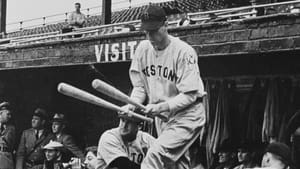
Episode 6. Inning Six: The National Pastime
1994-09-25 · 148 min
This episode covers the 1940s and includes Joe DiMaggio's celebrated hitting streak, the awe-inspiring performance of Ted Williams and what Burns calls “baseball's finest moment” — the debut of Jackie Robinson, who broke the color barrier…
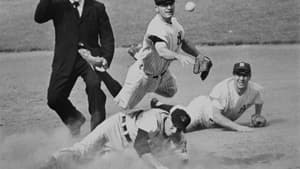
Episode 7. Inning Seven: The Capitol of Baseball
1994-09-26 · 128 min
Viewers are taken through the 1950s when New York City had three successful baseball teams and dominated the World Series. By the end of the decade, the Giants and Dodgers had left New York, a signal that the old game was changed forever.
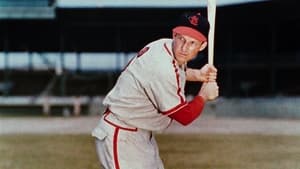
Episode 8. Inning Eight: A Whole New Ball Game
1994-09-27 · 111 min
The field is moved to the 1960s. This episode traces the emergence of television, the expansion to new cities and the building of anonymous multipurpose stadiums that robbed the game of its intimacy and some of its urban following.
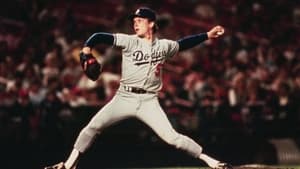
Episode 9. Inning Nine: Home
1994-09-28 · 142 min
The final episode looks at baseball from the 1970s to the present, including the establishment of the free agent system, the rise in player salaries, the continued expansion, the dilution of talent, the ongoing battles between labor and…
Cast by season


Comments
Sign in to comment and discuss this title.
…
User reviews

GenerationofSwine
★ 1.0 / 10
I guess this is a documentary on the Civil War and how Jackie Robinson finally won it by playing baseball. At least that is what the focus seemed to be. The Civil War and Jackie Robinson.
There is a lot more to baseball that that, and, honestly, with all due respect to Jackie Robinson, there is a lot more to baseball than him.
Honestly, it makes the sport seem like a downer. It makes it seem depressing. He has interviews here of people talking about how fun baseball was... and he makes it seem depressing and almost evil.
There are people on the interview that talk of father-son bonding, of playing with their friends on beautiful summer days and... he almost makes it feel dull. It almost makes it feel like he has a bit of a grudge against the sport, that he doesn't realize it's a game, that he's searching to make it something more.
It feels too much like Burns is trying to make baseball sound like more than it is, more than it ever could be, a metaphor for America and all of its problems.
I have to disagree with that, and I say this as someone that once rented a horrible apartment just because I could see a softball field from the living room window. I have to disagree as someone that goes to high school baseball games and local softball games just to watch people play baseball when I have nothing else to do and was, well, and was single and had the freedom to indulge.
Baseball is a lot of things, its a national past time, it's a sport, its an obsession, but, it's a game. It's not really a metaphor for anything. Baseball doesn't define the Civil War, it doesn't define the Civil Rights movement, it's a game.
Jackie Robinson was a big deal for America, he was a mark of desegregation and it made sense that baseball did it. It was a triumph... but Burns makes it seem like Baseball desegregated the nation, and that's not right. Baseball desegregated and Jackie Robinson played a game (and played it very well)... but the Civil Rights Movement desegregated America.
I guess what I am saying is that baseball is fun because it's a game. You play it for the same reasons you play any other game, and you enjoy it because the rest of the world, things like war and segregation and hate and politics drift away while you're playing it.
When you make Baseball about all of that, you take away the very thing that makes people love baseball. You take away the reason they play it.
Keywords
baseball
Related links